When Artificial Intelligence Meets Education

A private school tied to the Alpha network is rethinking what a school day looks like by building academics around artificial intelligence. Instead of spending six or seven hours in class, students complete their core academic work in about two hours each morning. Tuition runs close to $65,000 a year, putting it firmly at the premium end, but the school is attracting attention for its unconventional structure.

During academic sessions, students work on tablets and laptops using AI driven learning programs for core subjects like math, reading, and science. The software adapts in real time, adjusting lessons and practice based on how each student is doing. There are no traditional lectures. Instead of teachers, the adults in the room are described as guides, focused on goal setting, support, and keeping students on track. Students move ahead as they master material rather than following a fixed class pace. Teachers serve as guides, stepping in when needed and tracking individual progress. Students move ahead when they are ready, rather than following a fixed class schedule.

Once academics are finished, the rest of the day shifts to activities designed to build the skills AI cannot easily replicate. Students take part in sports, group projects, public speaking, and hands-on challenges that emphasize collaboration and independent thinking. The idea is to develop confidence and discipline alongside academic skills.

Parents who support the model say their children are more focused and less stressed. With shorter study periods, students are less likely to feel overwhelmed, and personalized pacing reduces frustration. Many also like the emphasis on independence and real-world problem solving.

Skeptics question whether such a system can replace traditional classrooms. The price may limit who can participate, and some educators believe that group learning and longer classroom interaction still play an important role in development.

Even so, the school reflects a growing interest in alternative education models that use AI. Families are increasingly open to approaches that promise efficiency, flexibility, and practical skills. Whether this format becomes more widespread will depend on how well students adapt and what outcomes the model can show at scale.

Reviving History with Modern Engineering

What happens when centuries-old imagination meets today’s technology? At the University of Melbourne, two students recently brought an extraordinary piece of history to life—a mechanical volcano first envisioned in 1775, designed to showcase the fiery spectacle of Italy’s Mount Vesuvius.

The Origin: Science Meets Art in the 1700s

Sir William Hamilton, a British ambassador with a passion for volcanoes, originally conceived the idea over 250 years ago. Inspired by a dramatic watercolor of flowing lava by Pietro Fabris, Hamilton sketched a device that would simulate glowing eruptions using light and motion. While his mechanical volcano was never constructed in his lifetime, a detailed sketch survived in the Bordeaux Municipal Library, offering clues for a modern build.

Bringing the Volcano to Life

Fast forward to 2025: Dr. Richard Gillespie from the Faculty of Engineering and Information Technology rallied students to reconstruct Hamilton’s concept. Master’s students Xinyu (Jasmine) Xu and Yuji (Andy) Zeng took up the challenge, spending three months in the university workshop. Using laser-cut timber, acrylic, LED lighting, and electronic control systems, they translated Hamilton’s clockwork wishes into a functioning model that erupts with light—a modern interpretation of an 18th-century dream.

Learning by Doing: Skills for a New Generation

For the students, the experience was as much about learning and collaborating as it was about building. Jasmine Xu found her programming, soldering, and physics skills pushed to new heights. Andy Zeng discovered the importance of balancing light and mechanics, so the volcano’s magic felt real but the inner workings stayed hidden.

Guided by research engineer Andrew Kogios, the pair navigated challenges like choosing the right materials, 3D printing parts, and troubleshooting electronics. Kogios highlighted how such hands-on projects prepare students for their future by letting them problem-solve creatively and work as a team.

See the Volcano in Action

The finished model is now a centerpiece at “The Grand Tour,” an exhibition running at the University of Melbourne’s Baillieu Library until June 28, 2026. It offers a captivating look at how curiosity, engineering, and artistry can come together, bridging centuries and sparking new interest in the marvels of nature and invention.

Global Museums on Wheels: Culture Hitting the Road

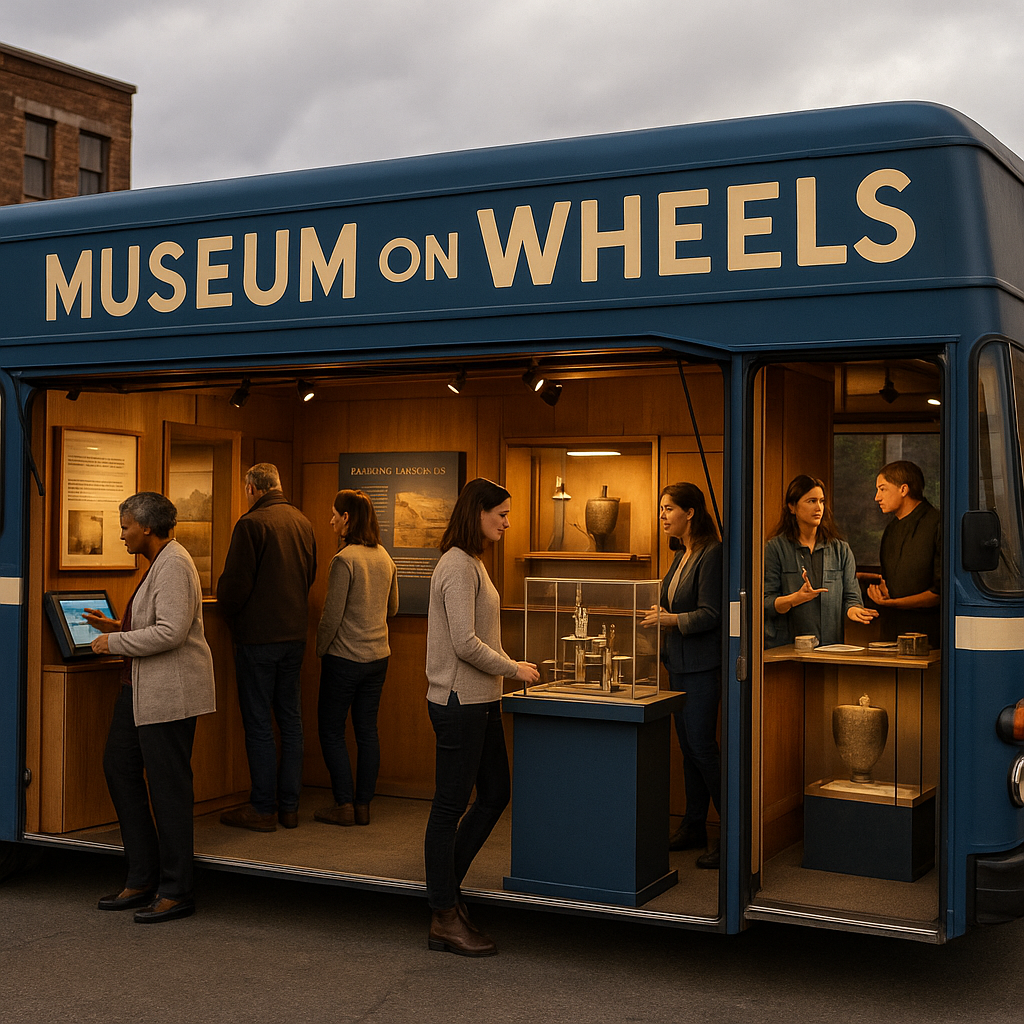
Museums no longer just stand still—they’re hitting the road and rolling into communities worldwide as “Museums on Wheels.” Rather than waiting for visitors to come to grand, distant buildings, these innovative mobile galleries pack up history, art, and science and deliver it directly to people where they live, work, and study.

The experience is hands-on and dynamic. Imagine a bus or van transformed with exhibition panels, interactive technology, working scale models, and special glass cases for delicate artifacts. Visitors can see displays, try activities, and even join workshops led by trained educators. The mission: make museum resources accessible for all, especially those who rarely set foot in traditional museums.

This movement found early momentum in India. Mumbai’s Chhatrapati Shivaji Maharaj Vastu Sangrahalaya (CSMVS) pioneered their Museum on Wheels in 2015. What started as a refurbished city bus has since travelled throughout Maharashtra, Goa, Gujarat, and Karnataka, bringing everything from independence history to lessons on biodiversity and climate change to schools in remote villages. All exhibits are bilingual and interactive—ensuring learning is engaging for audiences from children to elders.

The idea is catching on far beyond India. Mumbai’s iconic double-decker buses now serve as rolling museums celebrating the city’s transport history and links to Bollywood. In New York, the Brooklyn Museum’s custom Airstream trailer offers art-making sessions and hands-on artifact exploration to neighborhoods all across the city. The Smithsonian in the U.S. has supported pop-up museums in vans for rural schools, while science museums in California use trucks to share fossils and dinosaur bones.

Across Europe, art buses, library vans, and mobile science labs are common in places like Germany and Scandinavia, where they bring their own regional spins. All these efforts share a goal: making cultural encounters possible on street corners and at school gates, sparking new curiosity and dialogue wherever they stop. For many, museums on wheels turn the ordinary day into an educational adventure, proving culture really is just around the corner.

Starting College: 4 Helpful Tips

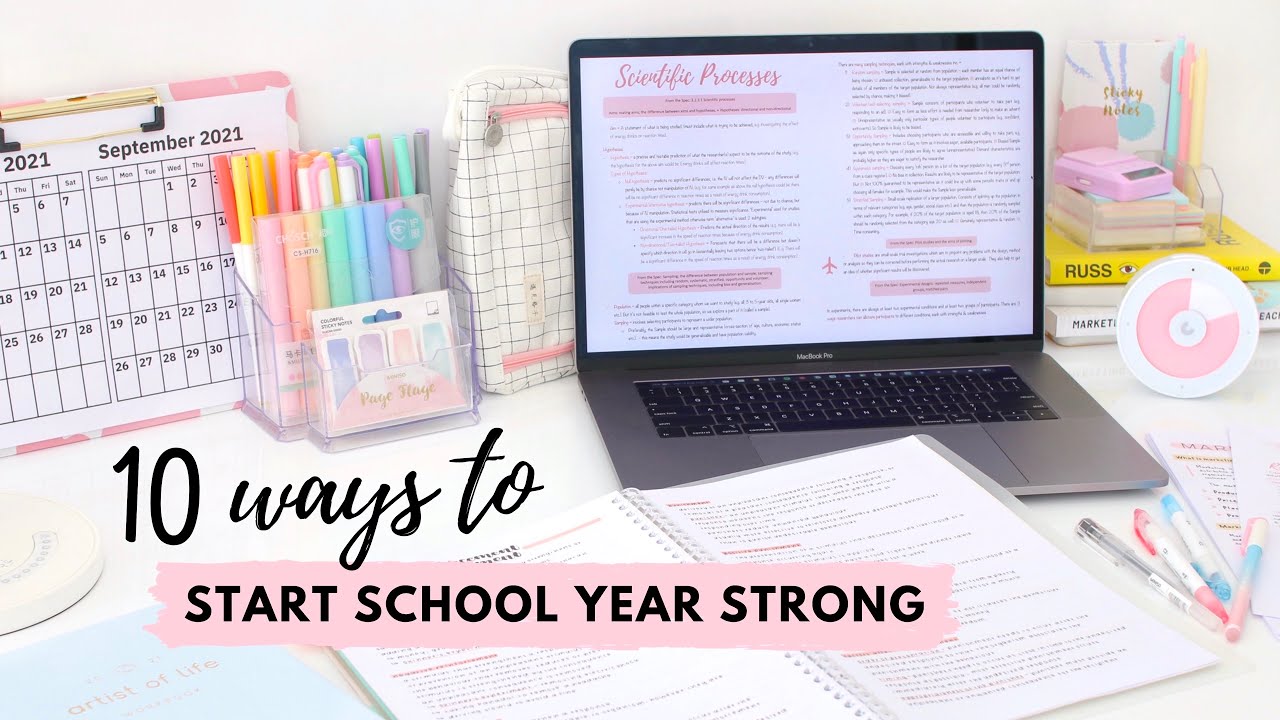
Heading off to college for the first time can be both exciting and a little daunting. You’ll have new opportunities, meet lots of new people, and come across plenty of new experiences. It’s perfectly normal to feel a bit nervous about this big change, but there are ways to make the transition smoother.

Getting to know your campus early is a solid first step. Most colleges offer a range of resources—like academic advising, tutoring centers, and wellness services—designed to help students adjust and succeed. Exploring these options early on can make a difference as you settle in.

Here are four tips that can help you navigate your first year:

  1. Manage Your Time Wisely
    Using a planner or digital calendar can help keep track of assignments, meetings, and events. Setting aside regular study time and sticking to a routine can make it easier to stay organized and keep stress in check.
  2. Get Involved on Campus
    Trying out clubs, joining a sport, or exploring student organizations is a good way to meet people with similar interests. Getting involved can help you feel more connected to campus life.
  3. Take Care of Yourself
    Eating balanced meals, getting enough sleep, and finding healthy ways to manage stress can help you stay focused. Feeling homesick or anxious is common, and it’s okay to reach out to friends, family, or campus counselors for support.
  4. Ask for Help When You Need It
    Professors, advisors, and even classmates can be good sources of advice or help when you have questions. Everyone is finding their way, and it’s okay not to have all the answers right away.

College takes some adjustment, but with time you’ll discover what works best for you and find your place. Take things one step at a time—each new experience is part of the learning process.

Cutting Hair and Changing Lives

Most people know and appreciate how hard it is to reintegrate into society after being in jail. They also recognize how hard it must be to find stable and rewarding work with such a mark on their past. Most people do not, however, try to solve these issues and offer solutions that are as unique and interesting as R&R Head Labs.


R&R Head Labs, founded by James Repenning in Denver, Colorado, is an innovative barbershop that integrates professional hair care with social impact, targeting the rehabilitation and reintegration of formerly incarcerated individuals. Through a partnership with Colorado prisons and the support of the Colorado Department of Corrections, the program recruits inmates for barbering apprenticeships that provide immediate work opportunities and a path to licensure.

The shop’s design is mindful of its employees’ past experiences, avoiding certain colors and arranging barber chairs to minimize potential triggers. Key to the project’s success is Charles Smith, a former inmate who now leads recruitment and reentry efforts, emphasizing the critical role of stable employment in preventing recidivism. R&R Head Labs not only focuses on providing jobs but also creates a welcoming and inclusive environment, aiming to expand its unique model to other cities.

Reading Recommendations for 2024

Book lovers are always looking for more recommendations – and there are certainly many places to get those ideas. If you’re resolved to enjoy more literature in 2024 than you might have in 2023, here are some ideas.

  1. Goodreads: Goodreads is a great resource where people share their favorite book titles and write reviews of books that they have read. They have a yearly contest as well for their collective favorite books, and this list could be a nice place to start for 2024. The contest is broken into many categories including fiction, historical fiction, romance, best new writer, etc.
  2. CNN book list recommendation: This is a fun list that includes a smattering of suggestions from musicians, authors, photographers, film directors and even a Miss Universe. It’s worth a peek.
  3. Social media: There are many accounts across social media platforms that people have exclusively dedicated to their love of reading. TikTok has a section called BookTok where people post short videos about their love of books. Instagram has Bookstagram and other social channels have similar locations for book lovers to talk and share.

Whatever type of reading you enjoy, and however you want to learn more about reading, you’ll find great suggestions for the coming year. Expand your horizons with a book and get reading now!