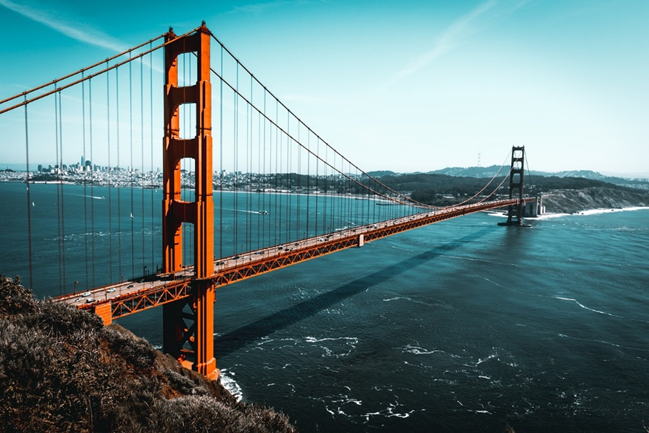
Golden Gate Bridge Celebrates 93rd Birthday
The construction of the Golden Gate Bridge began during one of the most challenging periods in American history: the Great
Read More
The construction of the Golden Gate Bridge began during one of the most challenging periods in American history: the Great
Read More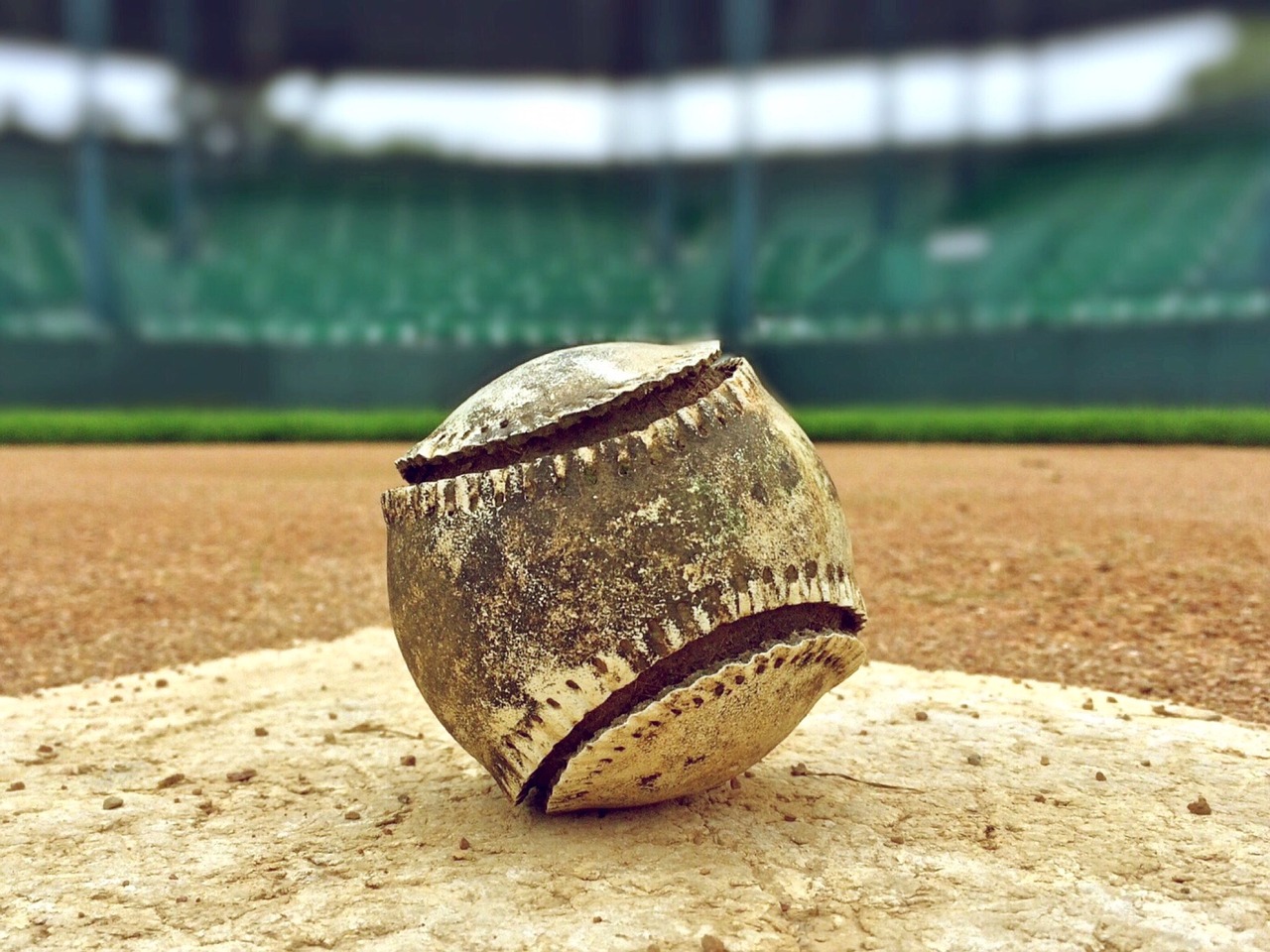
Lou Gehrig, one of baseball’s most respected players, was born on June 19, 1903, in New York City. Nicknamed “The
Read More
So this is a really cool story. A Woman in Australia has found the oldest known message in a bottle
Read MoreAccording to History.com, President Lyndon B. Johnson signed Medicare into law on July 30th, 1965. The health insurance program, which
Read More
Today, July 27th, is the 60th anniversary of the Korean War Armistice. The Shapell Manuscript Foundation’s Between the Lines features
Read More
Yesterday’s Google Doodle has left people of all ages buzzing with memories of Maurice Sendak’s stories. The children’s author passed
Read More