Smart Wearables Bring AI Into Daily Life

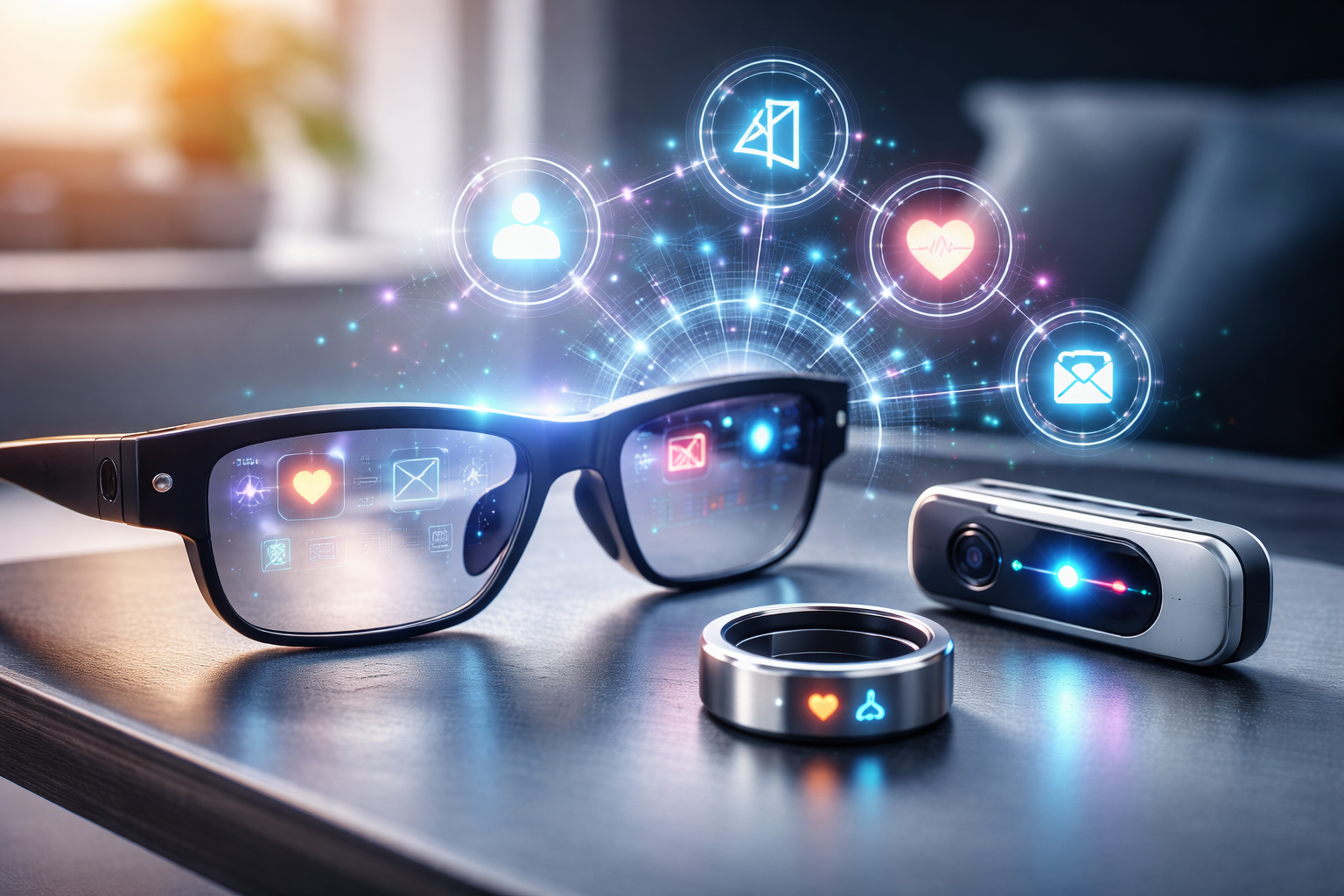
Artificial intelligence is expanding the role of wearable technology beyond watches and fitness bands. A new generation of devices is appearing in forms such as glasses, rings, and small clip on tools that run artificial intelligence directly on the device. Smart glasses developed by Meta with Ray-Ban combine cameras, microphones, and speakers with voice controlled artificial intelligence. Users can record short videos, send messages, ask questions, and receive spoken responses without reaching for a phone.

Processors designed for wearable technology, including the Snapdragon Wear 5100, allow artificial intelligence systems to interpret speech, motion, and biometric signals directly on the device. This approach improves response speed and reduces the amount of personal data sent to external servers.

Other emerging devices focus on health and daily routines. Smart rings measure sleep patterns, heart rate, and body temperature while remaining small enough to wear all day. Glasses equipped with cameras can recognize objects and read text aloud for users who need assistance. Small wearable recorders introduced at technology events such as CES capture spoken conversations and organize notes using artificial intelligence.

The global market for wearable devices powered by artificial intelligence reached about $43.6 billion in 2025. Analysts expect strong growth during the next decade as manufacturers develop new forms of wearable tools that provide constant digital assistance while fitting naturally into daily life.

Reviving History with Modern Engineering

What happens when centuries-old imagination meets today’s technology? At the University of Melbourne, two students recently brought an extraordinary piece of history to life—a mechanical volcano first envisioned in 1775, designed to showcase the fiery spectacle of Italy’s Mount Vesuvius.

The Origin: Science Meets Art in the 1700s

Sir William Hamilton, a British ambassador with a passion for volcanoes, originally conceived the idea over 250 years ago. Inspired by a dramatic watercolor of flowing lava by Pietro Fabris, Hamilton sketched a device that would simulate glowing eruptions using light and motion. While his mechanical volcano was never constructed in his lifetime, a detailed sketch survived in the Bordeaux Municipal Library, offering clues for a modern build.

Bringing the Volcano to Life

Fast forward to 2025: Dr. Richard Gillespie from the Faculty of Engineering and Information Technology rallied students to reconstruct Hamilton’s concept. Master’s students Xinyu (Jasmine) Xu and Yuji (Andy) Zeng took up the challenge, spending three months in the university workshop. Using laser-cut timber, acrylic, LED lighting, and electronic control systems, they translated Hamilton’s clockwork wishes into a functioning model that erupts with light—a modern interpretation of an 18th-century dream.

Learning by Doing: Skills for a New Generation

For the students, the experience was as much about learning and collaborating as it was about building. Jasmine Xu found her programming, soldering, and physics skills pushed to new heights. Andy Zeng discovered the importance of balancing light and mechanics, so the volcano’s magic felt real but the inner workings stayed hidden.

Guided by research engineer Andrew Kogios, the pair navigated challenges like choosing the right materials, 3D printing parts, and troubleshooting electronics. Kogios highlighted how such hands-on projects prepare students for their future by letting them problem-solve creatively and work as a team.

See the Volcano in Action

The finished model is now a centerpiece at “The Grand Tour,” an exhibition running at the University of Melbourne’s Baillieu Library until June 28, 2026. It offers a captivating look at how curiosity, engineering, and artistry can come together, bridging centuries and sparking new interest in the marvels of nature and invention.

Catching the First Sparks of Planet Formation

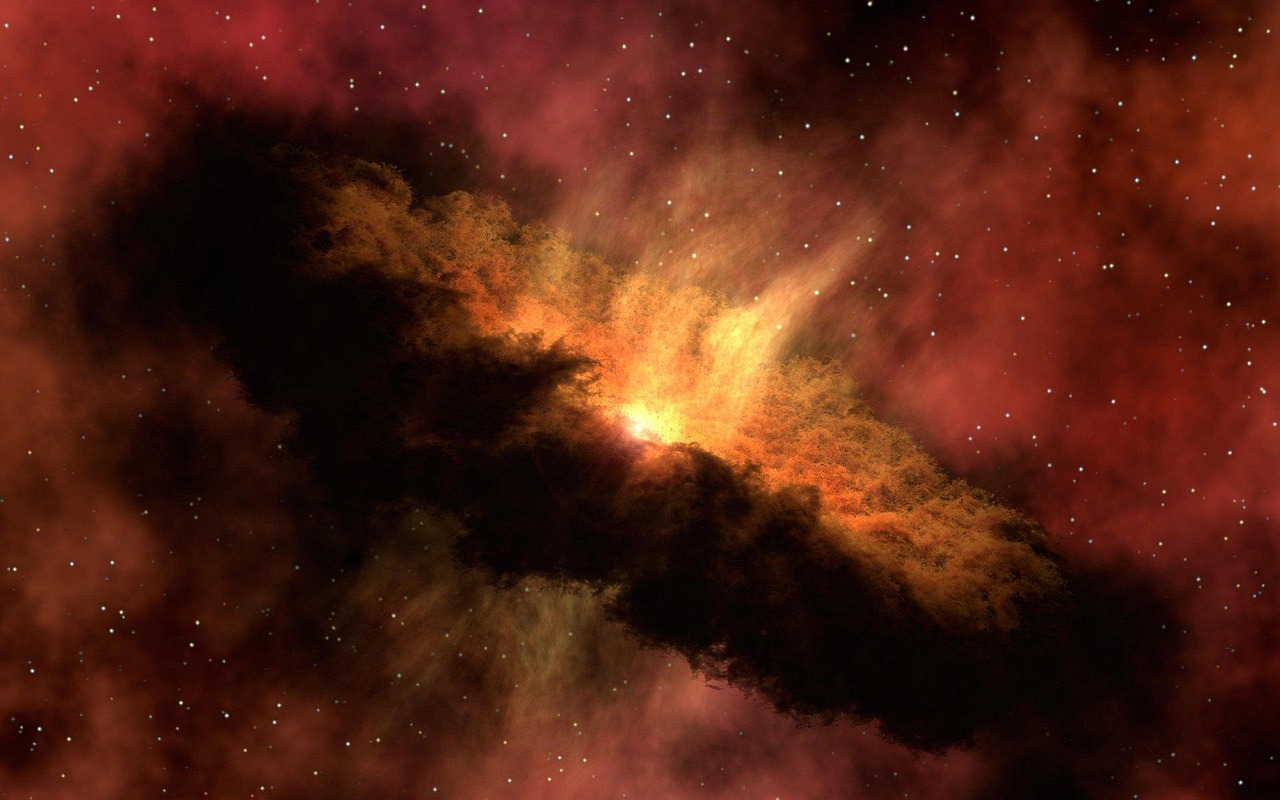
Astronomers have just caught a remarkable cosmic moment: the very beginning of planet formation around a young star far beyond our own neighborhood. Using the powerful ALMA telescope in Chile and the James Webb Space Telescope, an international team managed to spot the first signs of planet-forming material taking shape around a baby star called HOPS-315, which is about 1,300 light-years from Earth. 

So, what did they actually see? Think of it as the universe’s version of baking; they spotted hot minerals—some of the very first “ingredients” needed for planets—just starting to solidify in the star’s surrounding disc of dust and gas. Up until now, astronomers have glimpsed planets already well on their way, especially big gas giants, but this is the first time they’ve found such an early step in the process. Melissa McClure, who led the study, likened it to getting a snapshot of what our own Solar System looked like as it started to form.

The star HOPS-315 offers a surprising mirror to our own Solar System’s beginnings. In fact, these same kinds of minerals are found trapped in ancient meteorites here on Earth, hinting at how our planetary neighborhood came to be. By catching the telltale signs of silicon monoxide (SiO) gas turning into solids right where our own asteroid belt would be, astronomers confirmed they’re seeing planet-building from almost its very first moments.

It’s a rare opportunity for researchers to peer back into cosmic history and see planet formation in its earliest stages—almost like cosmic archeology. Scientists hope that, by studying stars like HOPS-315, we’ll learn much more about how planets like our own ultimately came to exist.

Mars Volcano Rises Above the Clouds

If you think Earth’s mountains are tall, Mars has them beat by a mile—or several, actually. NASA’s Mars Odyssey orbiter recently captured a striking image of Arsia Mons, a volcano on Mars that stands about 12 miles high. For comparison, that’s roughly twice the height of Mauna Loa in Hawaii, Earth’s biggest volcano. The Mars Odyssey orbiter has been circling the planet since 2001, continuing to send back useful data and images for researchers on Earth.

What makes this new image interesting is how Arsia Mons rises above a layer of early morning clouds. The photo, taken in early May, shows the volcano’s summit poking through the clouds, which isn’t something scientists have seen from this angle before. The Odyssey spacecraft had to rotate 90 degrees to get this unique perspective, making the view possible.

Arsia Mons is part of a group of three volcanoes called the Tharsis Montes. It’s known for being the cloudiest of the trio, especially during a period in Mars’ year when the planet is farthest from the sun. During this time, water ice clouds often form around the volcanoes, and the new image gives researchers a better look at how these clouds interact with the Martian landscape.

According to Jonathon Hill, who works with Odyssey’s camera team, they specifically aimed to catch the volcano’s peak above the clouds—and the results matched their expectations. These kinds of images help scientists study both the volcanoes themselves and the Martian atmosphere, including how dust and clouds change with the seasons.

Eclipse Prep 101: Safeguard Your Gaze for the Celestial Spectacle!”

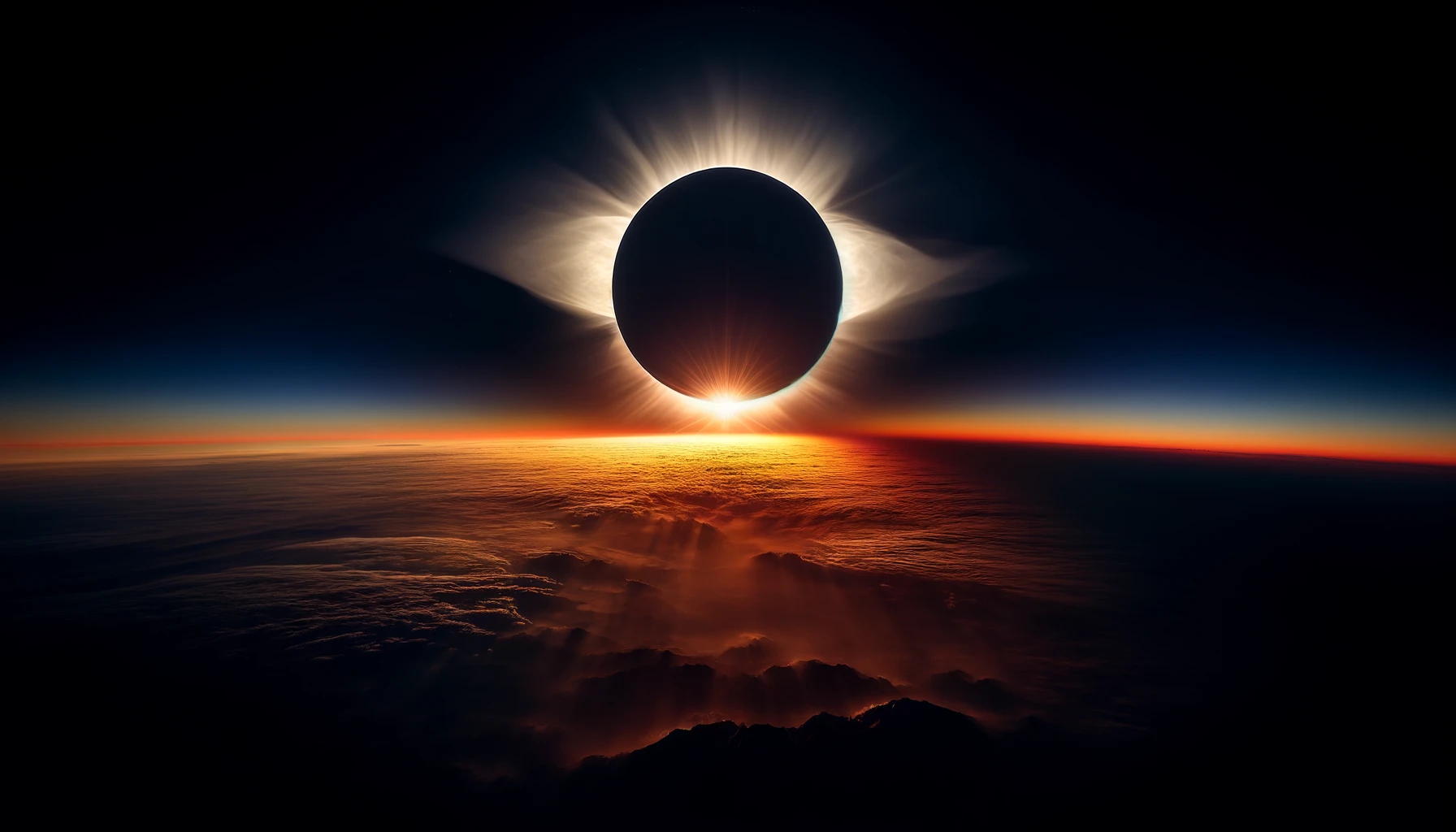
It has been seven years since the last solar eclipse in the US, and a total solar eclipse will take place on Monday, April 8, 2024. Approximately 31 million Americans who live in a specific area from Maine to Texas will be able to view the moon totally block the sun. Others will witness a partial solar eclipse. According to NASA, approximately 99% of US residents will see some form of the eclipse.

It is critical, therefore, to ensure proper eye protection during the eclipse, with certified solar eclipse glasses. Viewing a solar eclipse without the appropriate protection can lead to serious eye damage or even blindness, a condition known as solar retinopathy. Eclipse glasses are specifically designed to block out a significant amount of sunlight, making them crucial for anyone looking directly at the eclipse, except during the brief period of totality when the moon fully covers the sun.

For those unable to obtain eclipse glasses, alternative viewing methods such as pinhole projectors or a camera obscura offer safe ways to enjoy the spectacle. However, it’s vital to avoid using regular sunglasses, telescopes, binoculars, or unfiltered cameras as these do not provide adequate protection.

With the demand for eclipse glasses surging, the risk of counterfeit products looms large. The American Astronomical Society (AAS) warns of the market flooded with fake glasses that fail to offer the necessary eye protection. To counteract this, the AAS recommends sourcing glasses from reputable vendors listed on their website, cautioning against relying solely on the ISO 12312-2 international safety standard due to the prevalence of fraudulent claims.

In a bid to make the eclipse accessible to all, over 13,000 public libraries across the U.S. are distributing 5 million free eclipse glasses. For those with glasses on hand, verifying their safety involves a simple test: when worn, only the sun or a similarly intense light source should be visible, and any damage or scratches on the glasses render them unsafe for use.

As the eclipse draws near, the excitement is palpable, but so is the need for caution. With the right preparations, everyone can safely enjoy one of nature’s most awe-inspiring displays.

Why Reaching Out to Your Friends Matters

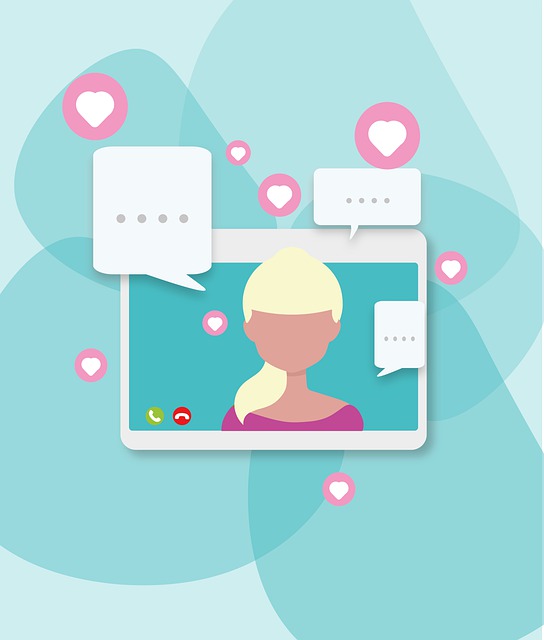
In the age of instant communication and non-stop interactions, it is easy to minimize the importance of reaching out to friends and family. Whether it is a call, a short text, or a simple email, it is almost always a welcome, significant, and meaningful gesture—for both the recipient and the initiator.

Research conducted by The American Psychological Association found that casual “check-ins” to the people in our various social networks mean a great deal more than we usually think.

“Even sending a brief message reaching out to check in on someone, just to say ‘Hi,’ that you are thinking of them, and to ask how they’re doing, can be appreciated more than people think.”

Peggy Liu, associate professor of business administration with the University of Pittsburgh Katz Graduate School of Business

According to the findings, the number of actual phone conversations people initiate these days is dramatically lower than in the past. Calling people is perceived to be an imposition on their time; it can feel less awkward to reach out via text or social media. But regardless of how we are creating the connection, the quick and effortless check-in is deemed meaningful, enjoyable, and important by those on the receiving end. While we might feel bad about interrupting someone’s day or taking away time from their other responsibilities, this research suggests that reaching out “just to say hi” is a powerful and important gesture.

As people, we are ingrained with the counterintuitive (and often destructive) assumption that our family and loved ones are not as interested in connection as we are, or as we’d like to be. Dr. Marisa Franco, psychologist, author, and University of Maryland assistant clinical professor, points to a “liking gap,” as the primary hindrance to most people’s communications.

Another reason people might keep themselves from calling or texting is  the “beautiful mess effect.” We have a hard time inquiring about a friend or loved one for fear of having to show our own vulnerabilities and/ or being judged by that person.

To be functioning at our best, we need to be in a connected state. Just like you need to eat, like you need to drink, you need to be connected to be functioning well.

Dr. Marisa Franco

Another exploration of this issue, published in The American Journal of Geriatric Psychiatry, indicates that older adults link their sense of purpose directly to the positive social interactions they have on a regular basis.

With more and more Americans reporting a heightened sense of loneliness (contributing to what some are reporting as a loneliness crisis) made complicated — and intense — by pandemic-related regulations and habits, these studies underscore what we have likely known all along: a little bit (of connection) can go a long way (to easing someone else’s hardship). These two studies- and several others- draw attention to the need to connect with others each and every day. We all need to view our familial ties and friendships as critical pieces of our well-being. Even if/when making those connections seems like a burden or feels awkward, it needs to be a part of our self-care routine, just like eating healthy and exercising.