Where to Go Next Year: Lonely Planet’s Best in Travel 2026

Lonely Planet’s Best in Travel 2026 has arrived, featuring 25 destinations and 25 unique experiences for travelers seeking both discovery and renewal. The annual list, unveiled on October 21, spans every continent, reflecting a blend of cultural vibrancy, natural beauty, and meaningful adventure. Executive editor Nitya?Chambers explained that this edition shines a light on both emerging gems and well-loved favorites, showing how travel continues to evolve around connection and creativity.?

Among this year’s standout urban destinations is Liberdade in São?Paulo, Brazil—home to the largest Japanese community outside Japan and brimming with anime street art and ramen shops. Mexico City also earns high praise for its walkability, rich history, and energetic mix of art and cuisine, with neighborhoods like Coyoacán and La Roma topping Lonely Planet’s recommendations.?

In the United States, North Dakota’s Theodore Roosevelt National Park and the state of Maine both make the list, admired for their dramatic scenery and outdoor adventure potential. Across the Atlantic, Ireland’s Tipperary is recognized for its hiking trails, castles, and countryside dining—described as “best for hiking, history and fine food”. Meanwhile, Phuket in Thailand is noted for its transformation into a haven for digital nomads balancing work and leisure in a tropical setting.?

Other must-visit locations for 2026 include Botswana, Peru, Cádiz in Spain, Sardinia in Italy, Jeju-do in South Korea, Barbados, Finland, and British Columbia in Canada.?

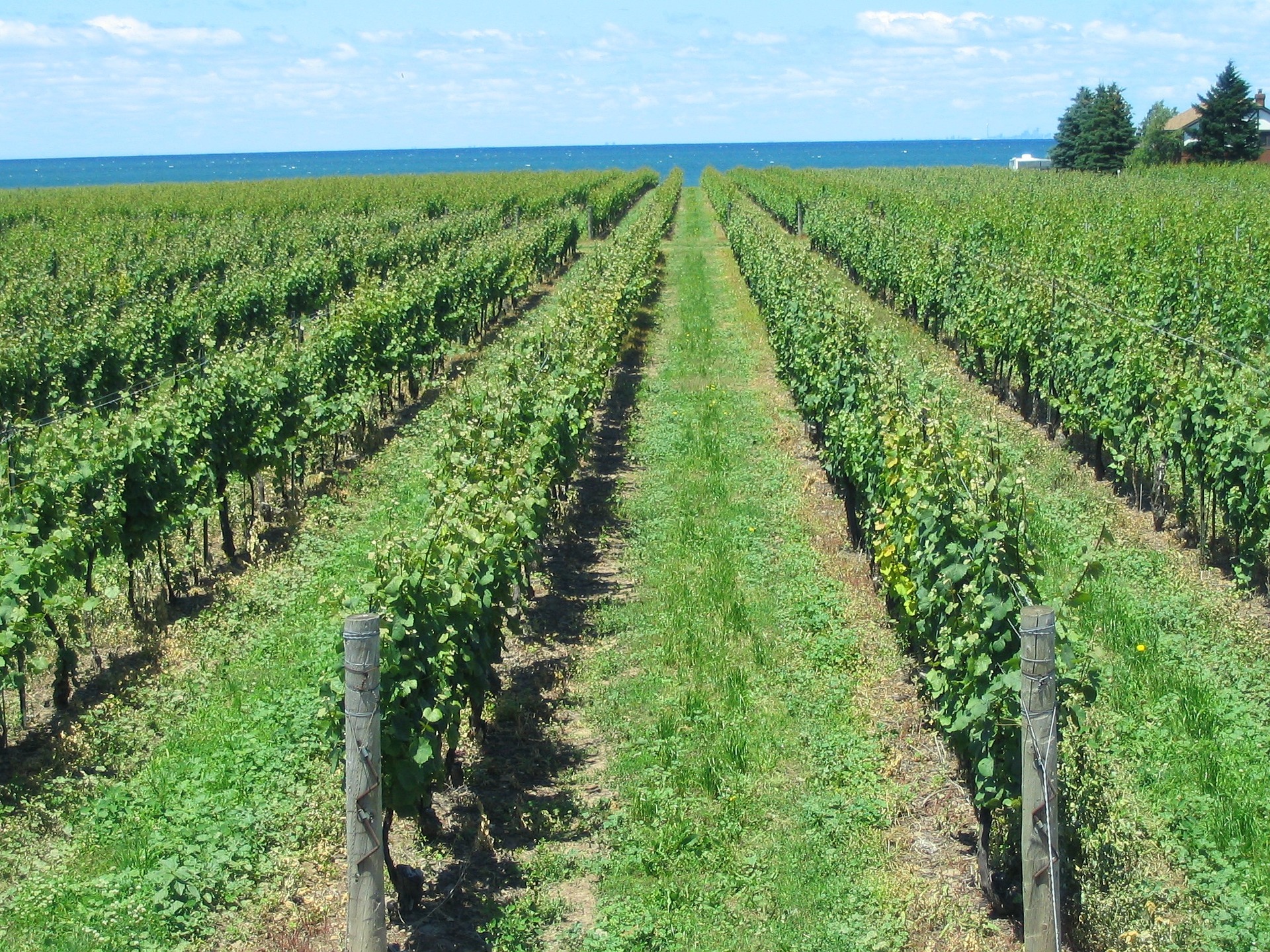
The guide’s experiences list celebrates the sensory side of travel—such as food tours in Kerala, India, culinary exploration in Melbourne, and wine adventures in Oregon’s Willamette Valley. Adventurers are urged to go river-rafting in the Grand Canyon, camp beneath the Tajikistani stars, or stargaze in New?Zealand’s Wairarapa.?

Whether savoring local flavors or crossing untamed landscapes, Best in Travel 2026 encourages travelers to embrace the joy of exploration and the power of global connection.

Where to Go Solo in September — Friendly Tips

September is honestly one of the best months to pack up and go somewhere solo. The weather’s great, the summer chaos is over, and every place just feels calmer and more open. If you want ideas for where to head, here are some favorites—with personal vibes and handy tips thrown in:

Caribbean Adventure

  • Tobago; If you want rainforest hikes and secret snorkeling spots with friendly locals, Tobago is gold. It’s not packed, so you can actually talk to people and get suggestions that aren’t in any guidebook.
  • Antigua; People always talk about Antigua’s 300 beaches—and it’s true, there’s basically a new stretch of sand for every day you’re there. If you’re social, get into its music and food scene. If not, sunset walks there are perfect.

European Charm

  • Greek Islands; Early fall is where it’s at. You get the warm, clear water and sunny afternoons, but no lines anywhere. Sifnos is super chill and big on food, while Milos has these lunar-looking beaches—try to do a boat trip, it’s worth it for the views.
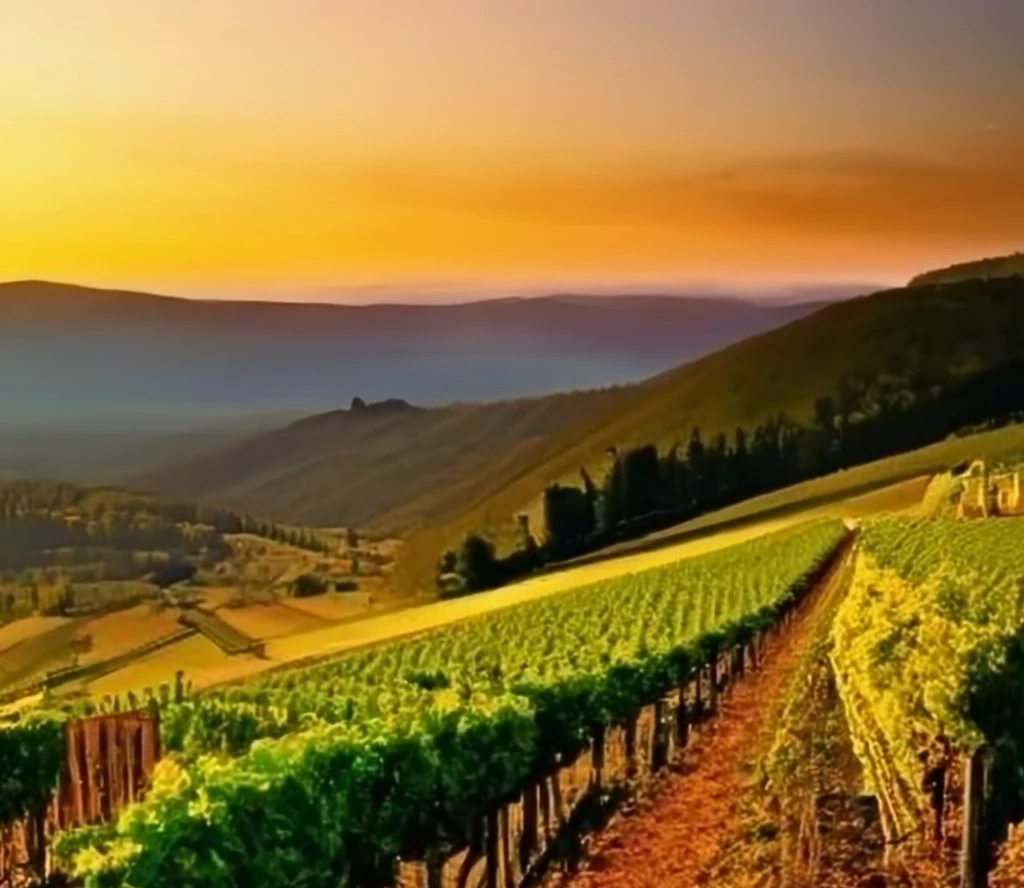
  • Italy; Tuscany is like golden fields, slow days, and grape harvest feasts. Drink wine, try a pasta class, and just wander. Lake Como feels sophisticated but not snobby—think grand villas and lakeside lunch, minus the usual crowds.
  • Albania & Montenegro; Peaceful beaches, affordable towns, and this sense that you’re discovering something private and special.
  • Croatia; Marble streets, old cities, and crystal-clear sea—plus it’s so much less crowded after August.

Africa & Middle East Wonders

  • Egypt
    Cooler temps mean it’s much easier to walk around ancient temples and cruise along the Nile. You can take things slow and soak up all the history—no tour bus mobs in sight.
  • South Africa
    September is spring, so everything blooms and you’ll catch animals while they’re active. Cape Town for mountains and food, the beaches for relaxing, and a safari if you can swing it.

Friendly Bonus Tips

  • Book a few things ahead, but leave space to wander.
  • Try a group tour or cooking class.
  • Locals everywhere love to share hidden spots if you ask.

Scaffolding Goes Up to Save Venice’s Banksy Mural

While much of the world’s attention is on Venice for Jeff Bezos’s high-profile wedding, not all eyes are on the billionaire’s big day. Some are focused on a different kind of local celebrity—a mural, widely believed to be the work of Banksy, that’s getting a little extra care along one of the city’s canals.

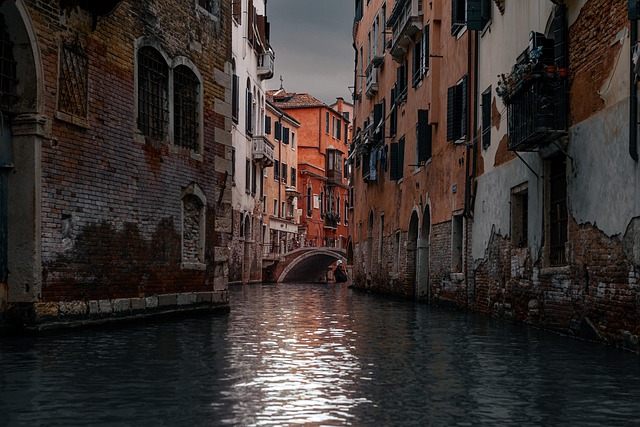
The mural, which appeared overnight in 2019, shows a young child in a life jacket holding up a bright pink flare. It’s painted on the side of a building along the Rio di Ca’ Foscari, one of Venice’s many waterways. Since its sudden arrival, the artwork has drawn plenty of attention from both locals and tourists, becoming a small landmark in its own right.

Recently, scaffolding has gone up around the mural. But don’t worry, it’s not being removed or hidden away. Instead, Venice officials are working to preserve it. The city’s restoration experts plan to gently clean the mural and apply a protective layer to shield it from the city’s famously damp and salty air, which can be tough on outdoor art. The scaffolding is there to help workers safely reach and treat the painting.

The mural’s appearance in Venice was never officially confirmed by Banksy, but the style and subject matter are consistent with his other works, which often highlight social issues—in this case, the plight of migrants crossing dangerous waters.

Venice’s decision to protect the mural is part of a broader effort to care for the city’s cultural heritage, which includes everything from centuries-old paintings to modern street art. For now, the little figure in the life jacket will stay put, keeping watch over the canal as the city works to make sure it lasts for years to come.

So, if you find yourself wandering Venice’s canals, you might just spot this famous piece—now getting a little extra care.

Inside the Grand Egyptian Museum: A New Home for Egypt’s Ancient Treasures

Even if a trip to Egypt isn’t on your calendar, it’s hard not to be intrigued by what’s happening near the Pyramids these days. Ancient history is making headlines once again, and it’s interesting to see how the story continues to unfold—even from afar.

Scheduled to officially open on July 3, 2025, the Grand Egyptian Museum (GEM) has been more than 20 years in the making. Located just two kilometers from the Giza Pyramids, the museum spans nearly five million square feet and is considered the largest archaeological museum in the world dedicated to a single civilization.

A 36-foot-tall statue of Ramesses II greets visitors in the main atrium, where it has stood since 2006. The museum’s layout features wide staircases and extensive galleries, which together will eventually house more than 100,000 artifacts spanning 5,000 years of ancient Egyptian history.

Although parts of the complex—including the Grand Atrium, Grand Staircase, and sculpture gardens—have opened to limited visitors in recent months, the upcoming launch will mark the debut of the galleries devoted to Tutankhamun. These exhibitions will include the pharaoh’s golden funerary mask and more than 5,000 objects, many of which will be on public view for the first time.

The building was designed with a blend of modern and traditional elements, including a façade made of alabaster and glass, engraved with 500 cartouches representing royal names. The museum is not intended to replace the Egyptian Museum in Cairo but to complement it by expanding the country’s capacity for exhibition, conservation, and research.

Among the other major exhibits are two solar boats excavated near the Great Pyramid, collections of ancient manuscripts, sculptures, and a section focused on mummified animals. The Grand Egyptian Museum is positioned to become a central site for the preservation and display of Egypt’s cultural heritage.

A Guide to the Best Cities…and Streets…for 2025

As travelers plan their 2025 adventures, two key questions emerge: which cities offer the most compelling experiences, and within those urban landscapes, which streets capture the true essence of local life? Recent rankings from Time Out shed light on both, offering a comprehensive guide to the world’s most vibrant urban destinations. So if you’re thinking of exploring cities in the year to come, here are some great suggestions.

Cape Town Claims the Crown

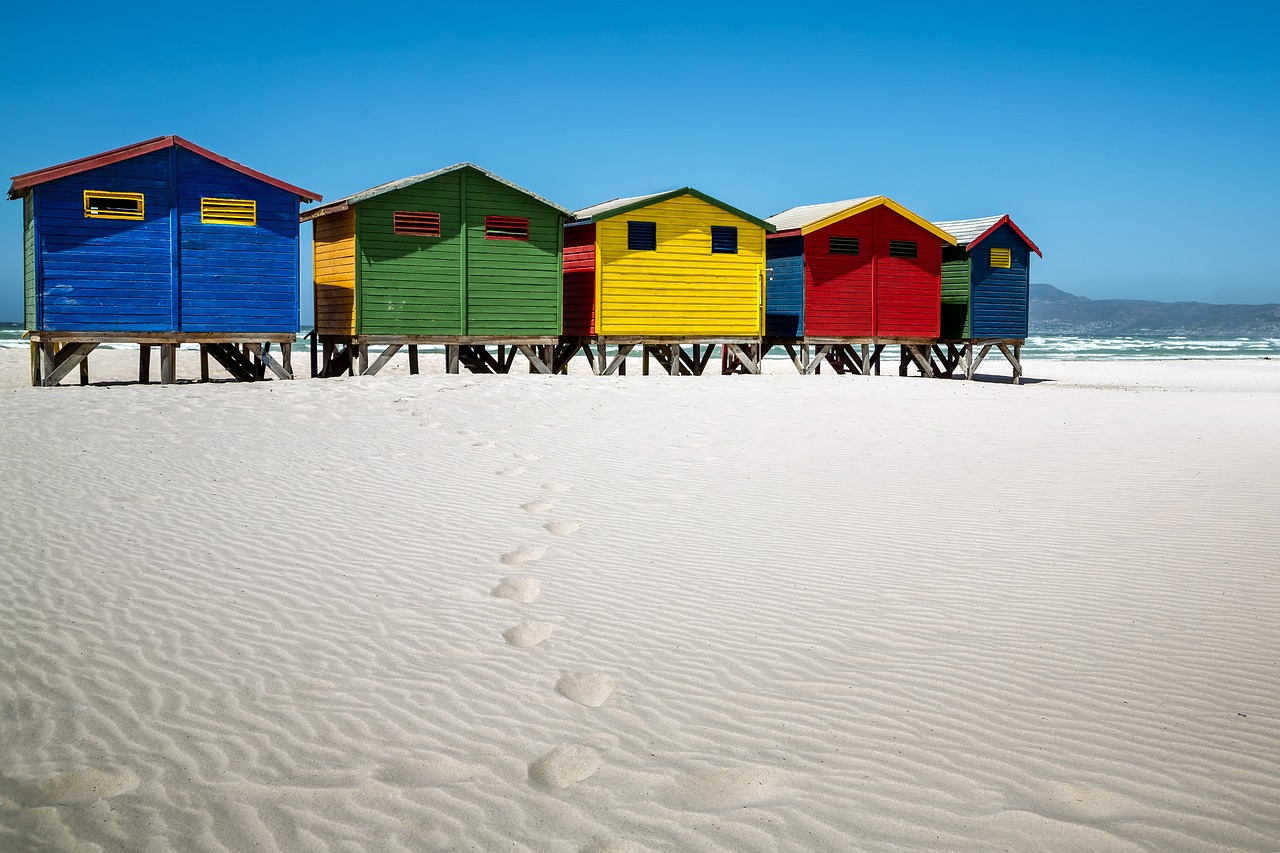
Cape Town has emerged as 2025’s must-visit city, offering an unmatched combination of natural wonders and urban excitement. Where else can you encounter African penguins, sample world-class wines, and gaze upon one of the New Seven Wonders of Nature all in one day? The city’s blend of historical significance and affordable experiences makes it particularly appealing for international visitors, with areas like trendy Kalk Bay and the food-centric East City leading the charge in urban innovation

Global Cities Making Waves

Following Cape Town’s lead, Bangkok secured the second spot, earning praise for its legendary food scene, with 86% of locals rating it as exceptional. New York City, though dropping from its top position last year, still commands attention as the third-best city globally, with an impressive 92% of respondents celebrating its world-class cultural offerings.

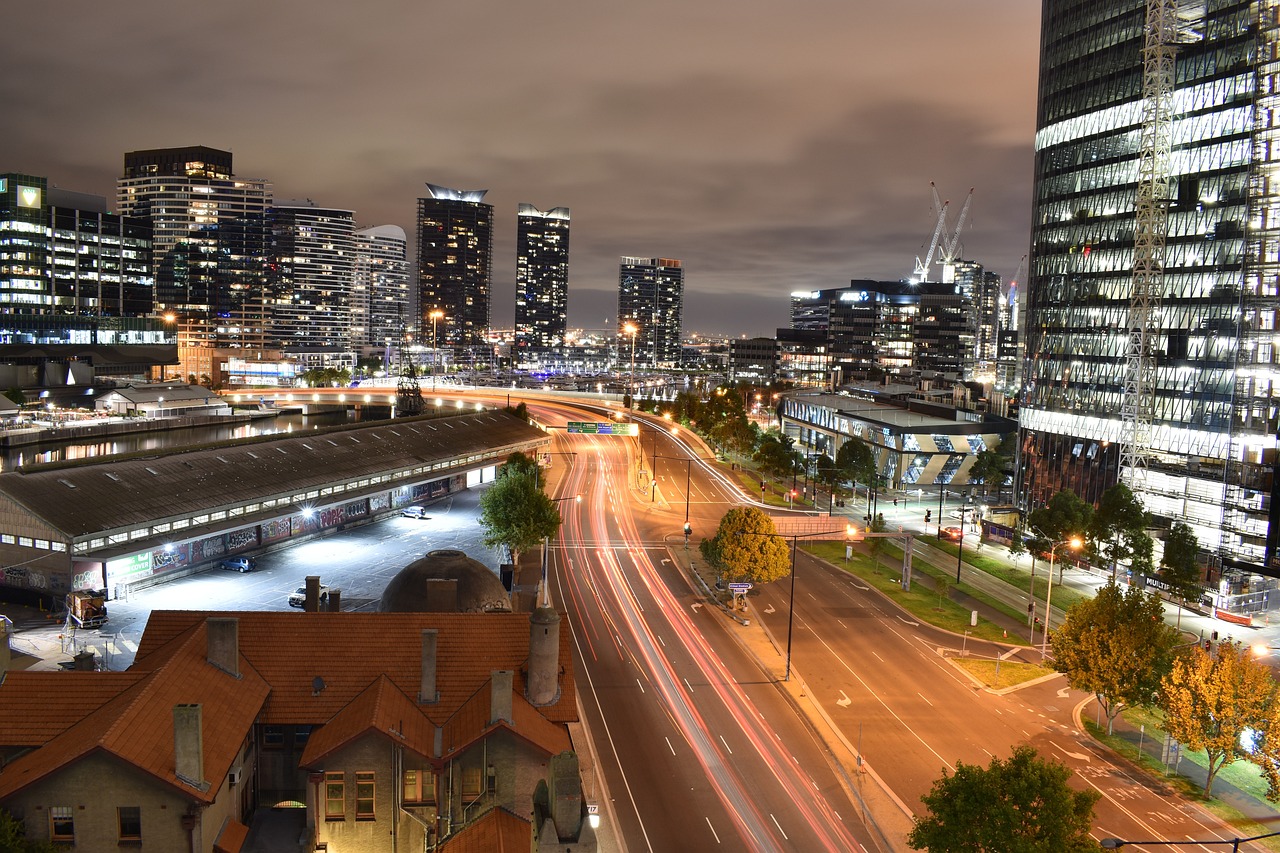
Melbourne, securing fourth place, proves itself a double threat – not only is it among 2025’s top cities, but it’s also home to what’s been crowned the world’s coolest street for 2024: High Street.

With all of this in mind, here is the rundown of the top 10 cities to visit this year:

  1. Cape Town, South Africa
  2. Bangkok, Thailand
  3. New York, US
  4. Melbourne, Australia
  5. London, UK
  6. New Orleans, US
  7. Mexico City, Mexico
  8. Porto, Portugal
  9. Shanghai, China
  10. Copenhagen, Denmark

What about the best streets?

It’s interesting to evaluate places to visit based on which ones have the coolest streets. Undoubtedly, if you have one cool street, you probably have other places worth seeing. High Street in Melbourne exemplifies what makes a street truly “cool” – a perfect blend of epic restaurants, hidden bars, live music venues, and boutique shops, all wrapped in a warm community spirit. This vibrant thoroughfare, crossing through the suburbs of Northcote, Thornbury, and Preston, showcases everything from Portuguese custard tarts at Casa Nata to innovative pasta at 1800 Lasagne.

Hong Kong’s Hollywood Road claims the second spot among cool streets, featuring Michelin-starred dining at Tate Dining Room and cultural landmarks like Man Mo Temple. Meanwhile, Austin’s East Eleventh Street packs remarkable variety into just a quarter-mile, with highlights including the unique Vintage Bookstore & Wine Bar and the perpetually festive Kenny Dorham’s Backyard.

Here is the list of the top ten streets to visit, as covered by Time Out.

  1. High Street, Melbourne, Australia
  2. Hollywood Road, Hong Kong
  3. East Eleventh, Austin, Texas, USA
  4. Guatemala Street, Buenos Aires, Argentina
  5. Commercial Drive, Vancouver, Canada
  6. Jalan Petaling, Kuala Lumpur, Malaysia
  7. Rua da Boavista, Lisbon, Portugal
  8. Arnaldo Quintela, Rio de Janeiro, Brazil
  9. Chazawa-dori, Tokyo, Japan
  10. Consell de Cent, Barcelona, Spain

This certainly offers a lot of suggestions as you plan your 2025 travels!

Carcassonne: A Medieval Marvel Reborn

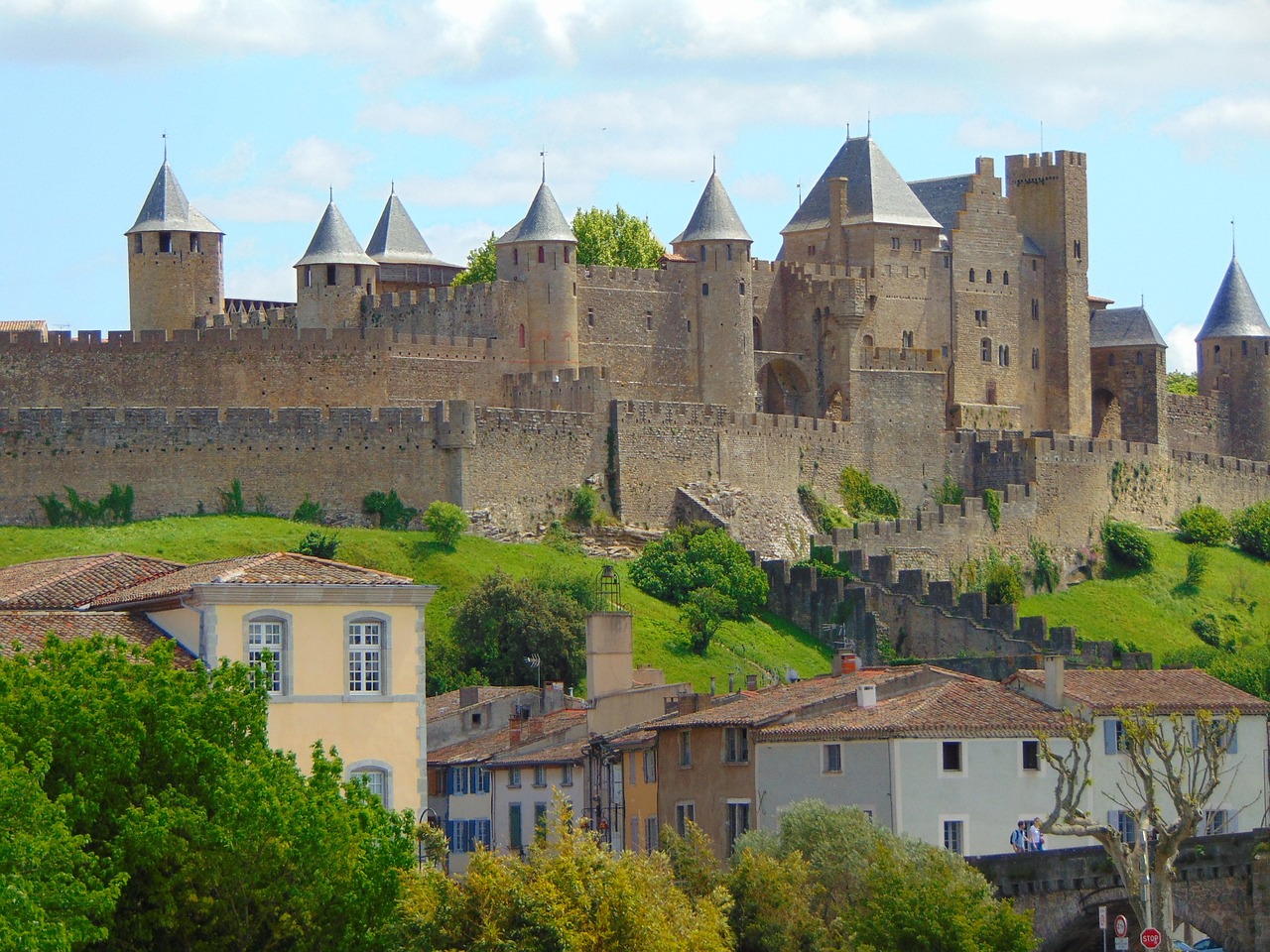
If your daydreams consist of sipping wine at a castle in the French countryside, you need to add Carcassonne to your bucket list. This enchanting walled citadel in southwestern France has recently unveiled a spectacular €5.6 million restoration that promises to transport visitors back in time. As a UNESCO World Heritage site with 2,000 years of history, Carcassonne now offers a complete 1.3km walkable circuit along its upper ramparts, providing an unparalleled 360-degree panoramic view of the medieval city.

The ambitious 31-month restoration project, led by the Centre des Monuments Nationaux, has breathed new life into this ancient fortress. As you traverse the ramparts, prepare to be awestruck by panoramic views of the multiturreted castle, soaring cathedral, and Roman-tiled roofs set against the backdrop of the Aude river valley and the Black Mountains. Visitors can now also explore the restored walls and nine refurbished towers with installed oak flooring throughout. The result is a seamless blend of historical authenticity and modern accessibility.

Carcassonne’s appeal extends beyond its architecture to a wide variety of cultural experiences. The city has connections to the 13th-century Cathars. It has also achieved modern literary fame through Kate Mosse’s Languedoc novels. Known as a wine tourism destination, the area boasts a number of vineyards for tourists to get lost in and try new wine varieties. Hiking trails in the nearby Ariège Pyrenees provide stunning views perfect for nature lovers and fitness enthusiasts.

For those seeking to explore more of France’s medieval heritage, consider visiting other well-preserved walled towns like Provins, Aigues-Mortes, or Saint-Malo. While Carcassonne remains the most famous and extensive example, each of these sites offers its own unique glimpse into France’s fascinating past.