
Resale Boom Turns Estate Sales Competitive
Estate sales, once a quiet weekend errand for antique hunters, have turned into a full-contact scramble as resale culture and social media pull in a much larger, hungrier crowd. The sales themselves are typically driven by death, debt, downsizing or divorce, sober circumstances that have nothing to do with the frenzy now surrounding them.
The shift traces back to the resale market’s boom. Vintage clothing dealers, book collectors and furniture flippers now treat estate sales as inventory runs, arriving hours before opening to beat out other buyers for the best pieces. Resellers often move in groups, clearing entire racks or shelves within minutes of a sale’s opening, leaving little for shoppers who arrive even slightly late.
Social media has accelerated the rush. Estate-sale videos on TikTok have introduced a wide audience to stories of a $10 painting reselling for thousands or a forgotten heirloom funding a weekend trip. The clips pull in viewers who want the thrill of the hunt as much as the finds themselves. Items picked up for a few dollars regularly resell for hundreds once buyers research their value and list them online, on platforms including eBay.
The competition has sharpened the mood at the door. Organizers who run these sales say tempers flare over line position and first-come rules, with physical scuffles over items now a recurring hazard of the job. Estatesales.net, which tracks about 9,000 companies that run estate sales nationwide, found that nearly a third of those companies started within the past five years.
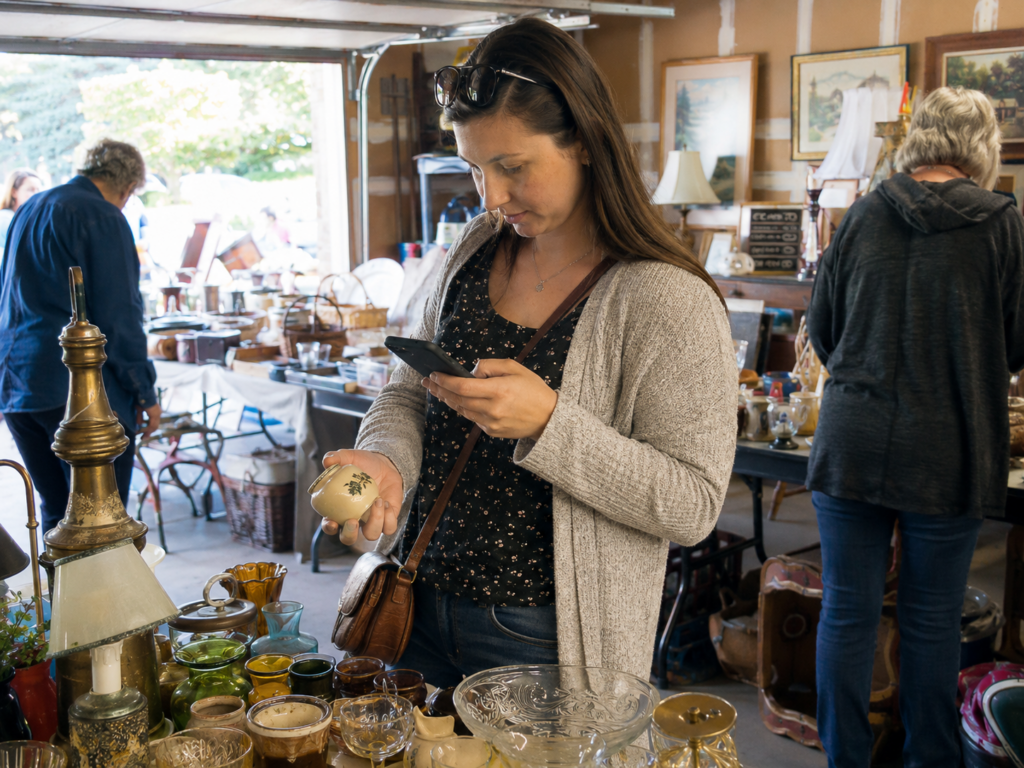
Buyers have also gotten more technical. Phones now double as pricing tools inside these homes, scanning book bar codes or running image searches on furniture and paintings before a purchase gets made. Even with the added tech, most shoppers still say the technology can’t replace the feeling of walking through a stranger’s house and piecing together a life from what got left behind.
