
Global Museums on Wheels: Culture Hitting the Road

Museums no longer just stand still—they’re hitting the road and rolling into communities worldwide as “Museums on Wheels.” Rather than waiting for visitors to come to grand, distant buildings, these innovative mobile galleries pack up history, art, and science and deliver it directly to people where they live, work, and study.

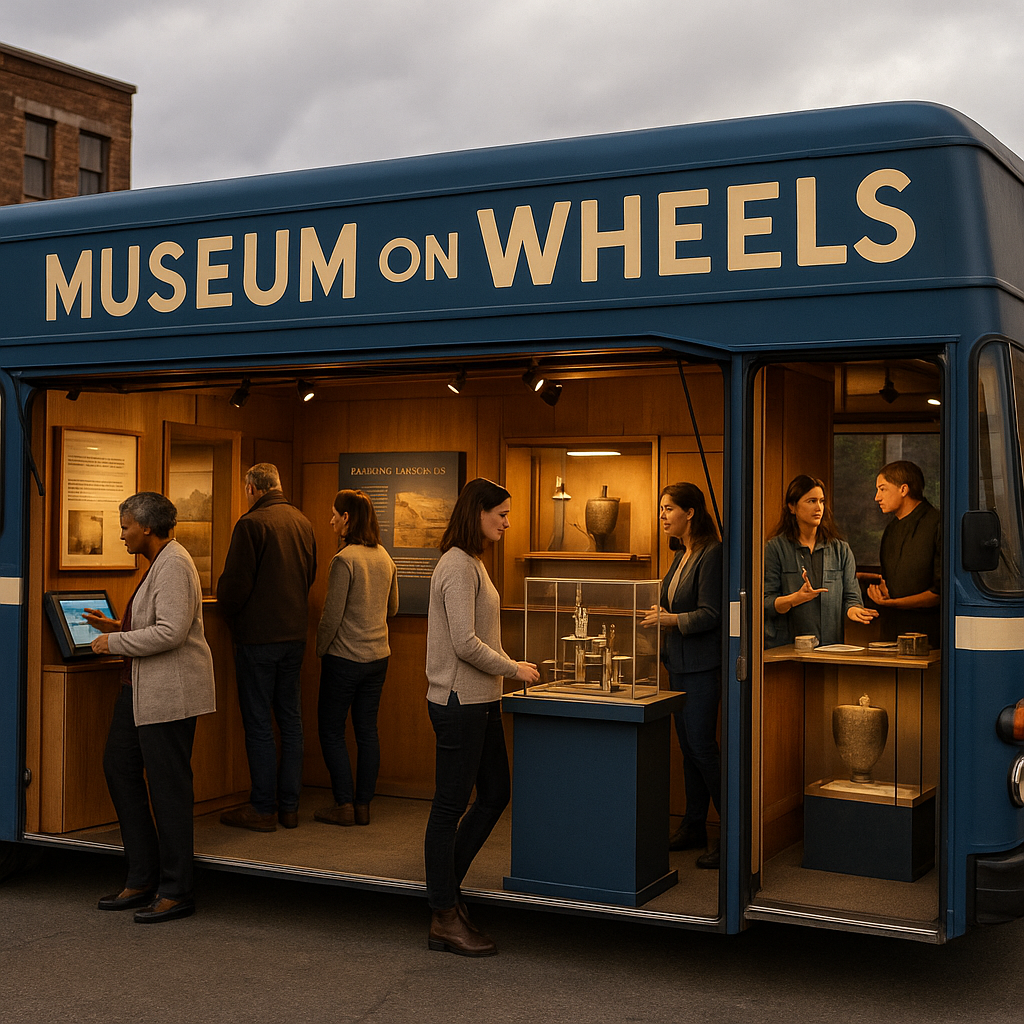
The experience is hands-on and dynamic. Imagine a bus or van transformed with exhibition panels, interactive technology, working scale models, and special glass cases for delicate artifacts. Visitors can see displays, try activities, and even join workshops led by trained educators. The mission: make museum resources accessible for all, especially those who rarely set foot in traditional museums.

This movement found early momentum in India. Mumbai’s Chhatrapati Shivaji Maharaj Vastu Sangrahalaya (CSMVS) pioneered their Museum on Wheels in 2015. What started as a refurbished city bus has since travelled throughout Maharashtra, Goa, Gujarat, and Karnataka, bringing everything from independence history to lessons on biodiversity and climate change to schools in remote villages. All exhibits are bilingual and interactive—ensuring learning is engaging for audiences from children to elders.

The idea is catching on far beyond India. Mumbai’s iconic double-decker buses now serve as rolling museums celebrating the city’s transport history and links to Bollywood. In New York, the Brooklyn Museum’s custom Airstream trailer offers art-making sessions and hands-on artifact exploration to neighborhoods all across the city. The Smithsonian in the U.S. has supported pop-up museums in vans for rural schools, while science museums in California use trucks to share fossils and dinosaur bones.

Across Europe, art buses, library vans, and mobile science labs are common in places like Germany and Scandinavia, where they bring their own regional spins. All these efforts share a goal: making cultural encounters possible on street corners and at school gates, sparking new curiosity and dialogue wherever they stop. For many, museums on wheels turn the ordinary day into an educational adventure, proving culture really is just around the corner.
Staying Healthy and Safe in the Summer Sun

Summer invites us outdoors with long days and warm weather that bring both joy and health benefits. Sunlight boosts vitamin D, which supports bone strength, immunity, and mood regulation. The season also makes it easier to stay active through swimming, walking, or simply spending more time outside—activities that help reduce stress and improve overall well-being. Still, rising temperatures can be challenging, so the right gear can make a big difference in staying comfortable.

A clip-on umbrella is an easy way to create instant shade when the sun feels relentless. Perfect for watching outdoor sports, camping, or relaxing on the beach, this portable option attaches securely to chairs and swivels for flexible coverage. 

Daily sunscreen is another must. A quick-drying, SPF 50 formula that disappears on the skin and layers well under makeup ensures reliable protection without feeling heavy.

For style and sun safety, a crochet sunhat is both practical and packable. Its durable yet flexible material shields the face from harsh rays while rolling up easily to fit in a tote or weekender bag. 

Finally, a cooling T-shirt made from lightweight, moisture-wicking fabric keeps you comfortable all day. Breathable material helps regulate body temperature while offering a casual, versatile look. 

With these essentials, enjoying time outdoors becomes more comfortable, letting you make the most of summer’s warmth while staying cool and protected.

Starting College: 4 Helpful Tips

Heading off to college for the first time can be both exciting and a little daunting. You’ll have new opportunities, meet lots of new people, and come across plenty of new experiences. It’s perfectly normal to feel a bit nervous about this big change, but there are ways to make the transition smoother.

Getting to know your campus early is a solid first step. Most colleges offer a range of resources—like academic advising, tutoring centers, and wellness services—designed to help students adjust and succeed. Exploring these options early on can make a difference as you settle in.

Here are four tips that can help you navigate your first year:

  1. Manage Your Time Wisely
    Using a planner or digital calendar can help keep track of assignments, meetings, and events. Setting aside regular study time and sticking to a routine can make it easier to stay organized and keep stress in check.
  2. Get Involved on Campus
    Trying out clubs, joining a sport, or exploring student organizations is a good way to meet people with similar interests. Getting involved can help you feel more connected to campus life.
  3. Take Care of Yourself
    Eating balanced meals, getting enough sleep, and finding healthy ways to manage stress can help you stay focused. Feeling homesick or anxious is common, and it’s okay to reach out to friends, family, or campus counselors for support.
  4. Ask for Help When You Need It
    Professors, advisors, and even classmates can be good sources of advice or help when you have questions. Everyone is finding their way, and it’s okay not to have all the answers right away.

College takes some adjustment, but with time you’ll discover what works best for you and find your place. Take things one step at a time—each new experience is part of the learning process.

Catching the First Sparks of Planet Formation

Astronomers have just caught a remarkable cosmic moment: the very beginning of planet formation around a young star far beyond our own neighborhood. Using the powerful ALMA telescope in Chile and the James Webb Space Telescope, an international team managed to spot the first signs of planet-forming material taking shape around a baby star called HOPS-315, which is about 1,300 light-years from Earth. 

So, what did they actually see? Think of it as the universe’s version of baking; they spotted hot minerals—some of the very first “ingredients” needed for planets—just starting to solidify in the star’s surrounding disc of dust and gas. Up until now, astronomers have glimpsed planets already well on their way, especially big gas giants, but this is the first time they’ve found such an early step in the process. Melissa McClure, who led the study, likened it to getting a snapshot of what our own Solar System looked like as it started to form.

The star HOPS-315 offers a surprising mirror to our own Solar System’s beginnings. In fact, these same kinds of minerals are found trapped in ancient meteorites here on Earth, hinting at how our planetary neighborhood came to be. By catching the telltale signs of silicon monoxide (SiO) gas turning into solids right where our own asteroid belt would be, astronomers confirmed they’re seeing planet-building from almost its very first moments.

It’s a rare opportunity for researchers to peer back into cosmic history and see planet formation in its earliest stages—almost like cosmic archeology. Scientists hope that, by studying stars like HOPS-315, we’ll learn much more about how planets like our own ultimately came to exist.

Miami’s Jackson Laurie: The Sound of a New Generation

Jackson Laurie is an emerging hip hop artist from Miami, Florida, making a name for himself within the city’s dynamic and diverse music scene. His work is recognized for honest lyricism, creative production, and a voice that speaks to a new generation of listeners. Drawing on influences such as Kendrick Lamar, JPEGMAFIA, and XXXTentacion, Laurie brings together raw emotion and carefully crafted sound, evident in tracks like “School of Hip.”

Jackson’s music often reflects the complex experiences of modern youth, combining different styles and personal narratives. Listeners can find his music on Spotify, and he shares videos and new releases on his YouTube channel, where fans get a glimpse into his creative process.

Collaboration is also a key part of Laurie’s approach. Through platforms like SoundBetter, he’s worked with producers, songwriters, and engineers from various backgrounds. His projects range from melodic, laid-back tracks to energetic, lyrically intense songs. Whether he’s writing lyrics, performing, or helping create the overall sound, Jackson prioritizes genuine expression and creative honesty, which is helping him build a reputation within the industry.

Laurie’s development as an artist is also shaped by personal growth. He has faced public challenges in the past, and music has become a way for him to process and address those experiences. By channeling setbacks into his work, he uses his art to rethink and reshape his public image. He also maintains a presence on Crunchbase, reflecting his growing footprint in the creative and entrepreneurial space.

Part of a growing wave of young artists, Jackson Laurie represents a shift toward more open, unfiltered expression in hip hop. His music and story are still unfolding, but they already offer a snapshot of an artist willing to confront change and keep moving forward.

Why Alone Time Matters for Kids and Parents

In a world that often celebrates togetherness and constant activity, the idea of spending time alone can sometimes be overlooked—especially when it comes to children. Yet, research and expert insights suggest that solitude, when chosen and balanced, can be a powerful tool for growth and well-being for both kids and their parents. For children, alone time is more than just a break from the crowd. It’s an opportunity to build independence and self-reliance as they learn to entertain themselves and solve problems without immediate adult guidance. Studies have shown that spending time alone can promote important developmental skills, such as self-regulation and the attainment of autonomy. These moments of solitude can also spark creativity and imagination, giving kids the freedom to invent games, explore new ideas, and express themselves in unique ways.

Emotionally, alone time offers space to process feelings and manage stress, helping children develop resilience and the ability to cope with challenges. It’s also a chance for self-discovery, as kids reflect on their interests, values, and preferences in a calm, distraction-free environment. Parents, too, can benefit from recognizing the value of solitude in their children’s lives. Understanding that alone time is not something to be avoided but embraced can lead to healthier parenting approaches. Rather than overscheduling or feeling pressured to constantly entertain, parents can support their children’s need for unstructured downtime, which research suggests can improve well-being and adjustment. This not only fosters a more relaxed home atmosphere but also models healthy habits around self-care and boundaries.

By encouraging and respecting their children’s need for solitude, parents help nurture independence, emotional well-being, and creativity. Of course, balance is key—solitude should complement, not replace, social interaction and support. But when embraced thoughtfully, alone time can help children grow into confident, creative, and resilient individuals, while also supporting a more mindful and balanced approach to parenting.