content top

How to Stick with Fitness Resolutions

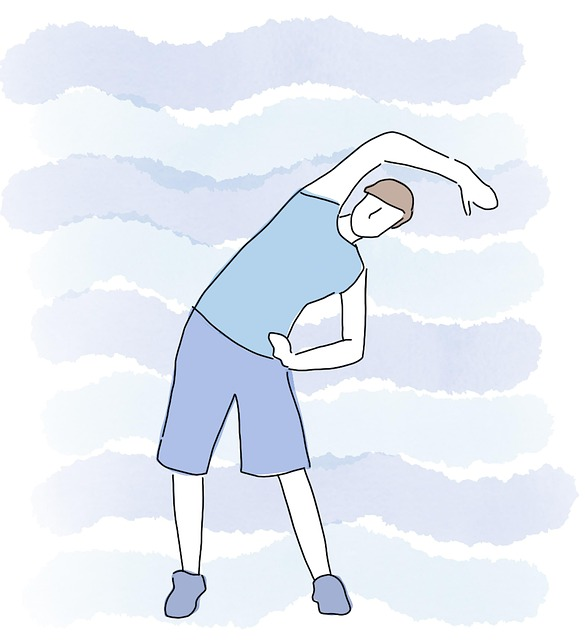
FitnessMillions of Americans listed healthier lifestyles amongst their New Year’s resolutions. According to recent studies, the majority of these are headed for despair.

“We’ve tracked the patterns,” reveals YMCA Health and Wellness Director Sue Dissinger. “After 30 to 60 days people start to slowly decline or quit.”

The figures, which are based on several years of study, have been confirmed throughout the health and fitness worlds. People generally lose enthusiasm after about a month, despite their best intentions.

Lori Steven, a dietician with WakeMed Cary Hospital, explains the phenomenon. “We often make our goals too big, too ambitious,” she said. “We say, ‘Once the year starts, I’m going to cut all sugar out of my diet.’ That’s extreme. It’s not sustainable.”

“The main reason most people fail is because they don’t have a plan,” adds Ronnie Neal of Rex Wellness Center. They need to have specific goals, not just “I want to lose weight” or “I want to get in better shape.”

Stevens recommends setting realistic goals, like cutting dessert out of weeknight meals. “Or, instead of saying ‘I’m going to work out every day and run a marathon in March,’ say you’ll work out five days a week and do a 5K in April, then maybe a 10K in June and a half-marathon or marathon in the fall.”

Neal adds: “Writing down your goals hardwires them a little more into your subconcious.”

Lastly, it is very important to stay patient. It can take months to see real results, but stick with it and don’t get discouraged!

Read More

HIT Workouts: An All-Inclusive Exercise in 4 Minutes Flat

The general belief is that the best amount of exercise to get in a week is 150 hours. Many would claim that this suggestion is in the fact what keeps them overweight or unhealthy, since finding even an hour or two of free time during the day is no small feat.

An amazing solution to this issue is the HIT workout, or High Intensity Training. This miracle worker helps the body lower blood sugar levels, release fatty acids, and improves both aerobic and anaerobic aptitudes within minutes.

This 3-4 minute form of exercise is not new. One HIT routine was developed in the nineties by Dr. Tabata of the National Institute of Fitness and Sports. He dictated a workout that merely included eight 20-second bursts of high activity with a 10-second pause between each one. In total, such a workout would take less than four minutes.

HIT workouts consist of exercises like squats, pushups, sit ups, lunges, ‘the plank’, crunches and dips. Done in quick succession, these drills will leave the body aching, shaking, sore and continuously burning calories. The body will continue to burn fat and strengthen muscles long after you shower and continue with your day.

The benefits of the HIT workouts are endless. They are short and do not require equipment, can be done as many times a week as possible, burn fat and strengthen the muscles, circulatory system and respiratory system, alleviate stress, boost your mood and focus and improve sleep. There is no excuse; finding a total of four minutes every week is no chore.

Read More

How to Give Your Home a Pre-Spring Makeover

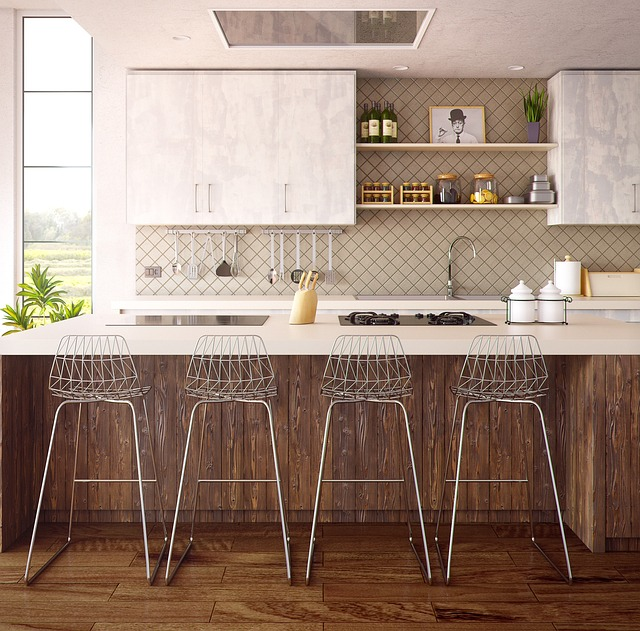
The winter months have left your home looking rather gloomy, and while spring might seem rather far off, a great project to get started on now is a simple home makeover. Try to involve your children, as well, to give them a good reason to ditch the computer or TV for a few hours after school.

The first step in touching up your home is, of course, a paint job. Don’t try to tackle the whole house, this will end up costing an arm and a leg, and will also stretch your patience with the process. Choose a few areas or rooms that could use a change; the difference in color will change the entire space, saving you the cost and effort of repainting everything. Of course, spend the little extra you may need to fix up any scratches or areas that have peeled.

This season’s popular colors are pastels and deep jewel tones. These will help brighten up any space, as well as give them a completely different mood. Try to match your choices to the white or cream bases that are already used throughout your home. A deep minty turquoise, for example, looks stunning with white walls, shelves or rugs. If you’re hesitant to commit to a new color, or too lazy to paint full walls, go out and buy some stencils and add a little bit of color and personality that way instead. You can even paint on children’s furniture, too, like a desk or a dresser. Wall-stickers are another great option to achieve this look.

Next, work on the more specific décor. Look around your main areas, and revamp your photo collection. Buy an eclectic bunch of new picture frames (mix colors, shapes and sizes), then sort through your photos and choose some favorites to put on display.

Now, move on to your furniture, rugs, cushions and other living room accessories. Don’t bother buying anything new; try to work with what you have. If the stuff looks kinda shabby, why not try removable covers? This will give you an opportunity to try new colors and styles without committing to the new look. You can even dye them yourself. Add ribbons, lace, tassels or designs to your cushions- if you’re intimidated by sewing machines, you can use hot glue instead.

Third, think about adding some plants to your interior. Beautiful potted flowers, or leafy vines like ivy, literally add life to a room. At your local nursery, ask for sturdy, indoor plants, that perhaps have a pleasant smell. Put some on top of the refrigerator, by the stairs, in the bathroom and on the piano, and make sure to put a bit of thought into the pots you choose.

Last but not least, think about the curtains, towels, bath mats and shower screens. These little things give the room its finishing touches, changing the atmosphere from hectic or messy to appealing and organized. While you’re at it, buy some new plastic drawers to keep in children’s bedrooms, bathrooms and the den to help keep things in reach but out of sight.


Read More

Why We Eat Junk Food

While we may presume that we are eating junk food because of the delicious taste, new research undertaken at the University of Southern California, has disputed this theory. Indeed, scientists have found that we’re indulging in these snacks because of their yumminess but rather because of how we associate these foods. For example, since we often eat popcorn at the movie theater, that’s a fun, positive association so we will continue to eat it as it becomes a comfort food. So we’re not eating it for the taste.

The Research

The research was undertaken by giving movie-theater-goers fresh and stale popcorn. The ones who were accused to eating popcorn at the movies ended up eating around the same amount of popcorn, whether it was fresh or stale. Those who didn’t really eat much popcorn at the movies consumed way less of the stale type than the fresh due to the taste. For them, taste was much more important. And for the others – the ones who were accustomed to movie snacking, they didn’t care so much about the taste.

USC researcher Wendy Wood explained, “people believe their eating behavior is largely activated by how food tastes. Nobody likes cold, spongy, week-old popcorn. But once we’ve formed an eating habit, we no longer care whether the food tastes good. We’ll eat exactly the same amount, whether it’s fresh or stale.”

The study was published in this month’s Personality and Social Psychology Bulletin.

Read More

Teaching Meditation to Four-Year Olds

It seems that meditative skills can be taught to children as young as four. And more than that, it seems that right now in the UK, one of these schools will be receiving state funding. And this is not going to be the only one either. It is one of 24 of the new schools that is being privately run but will be receiving Government support.

What else is interesting is that despite the fact that these schools are receiving state funding, they will not be forced to follow the country’s national curriculum. Indeed, one of the schools is going to be run along the teachings of Maharishi Yogi, an Indian-born guru.

The school will begin and end with sessions of transcendental meditation. Education watchdogs have rated this school as “outstanding.” Apparently these meditative sessions are relaxing the students and making it easier for them to learn.

The only problem seems to be, is the money. The critics are claiming such schools should not be receiving state funding at this point. According to Lisa Nandy, a Labour Member of Parliament, “people will be shocked that their taxes are going on teaching transcendental meditation. The money would be better spent on improving existing schools.”

Read More
content top