The Benefits of Family Dinner

Sharing dinner as a family is more than just a daily routine—it’s a chance to connect, according to experts. While busy schedules can make it tough, making time for family meals offers a range of benefits for both kids and adults.

Experts say that eating together helps strengthen family bonds and gives everyone a chance to catch up on each other’s lives. For children, these meals can boost self-esteem, improve communication skills, and even lead to better performance in school. Regular family dinners are also linked to healthier eating habits, as home-cooked meals tend to be more nutritious and balanced than takeout or fast food.

But it’s not just about the food. The real value comes from the conversation and togetherness. Experts recommend making mealtimes a screen-free zone, so everyone can focus on each other. Setting simple phone policies can help with this goal. For example, families can agree to leave phones in another room or place them in a basket during dinner. These small steps make it easier to enjoy meaningful conversations without digital distractions.

It’s also helpful to involve everyone in the dinner process, whether it’s setting the table, helping with cooking, or cleaning up afterwards. This not only eases the workload but also makes everyone feel included.

If daily family dinners aren’t possible, don’t worry. Even a few shared meals each week can make a difference. The key is to make those moments count by being present and engaged. Try to keep the mood light and positive, and encourage everyone to share something about their day.

In the end, family dinners are less about what’s on the table and more about who’s around it. Making time for these shared moments, even if only occasionally, can help build lasting memories and a stronger family connection.
Forget the Gym: Even a Little Movement Can Work Wonders

Here’s some refreshing news for anyone who’s ever groaned at the idea of hitting the gym: you don’t have to. Really. Science says so.

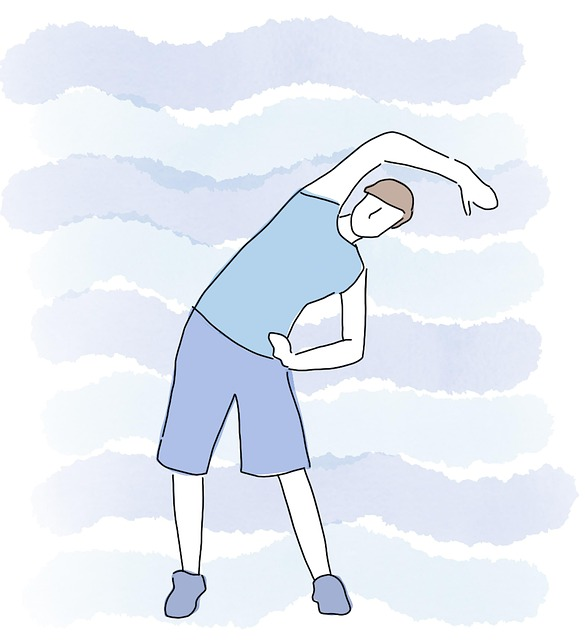
There’s no “best” exercise, according to researchers who’ve studied physical activity for decades. That’s right — no gold medal for the treadmill or a blue ribbon for yoga. What matters most? Moving your body in any way that fits your lifestyle.

Whether it’s biking to the store, raking leaves, dancing in your kitchen, or walking the dog — it all adds up. Even brief bursts, like climbing stairs or dashing to catch the bus, can cut your mortality risk by as much as 40%.

Here is a list of easy and practical suggestions to include short bursts of movement throughout your day.

Taking a brisk walk during a phone call.

Carrying groceries instead of using a cart.

Throwing a ball around with your kids.

Parking a little farther from your destination.

Skipping the elevator and taking the steps.

The real magic happens when you go from doing nothing to doing something. A few extra steps a day can support your heart, brain, and immune system. And forget the 10,000-step myth. Experts say 7,000–9,000 is plenty — and even 3,000 is a solid start.

Researchers are still uncovering how movement benefits us — how working your legs can improve your lungs, kidneys, and more. But one thing’s clear: your body loves movement. And the best kind of activity? The one you’ll actually stick with.

So skip the guilt and forget the pressure to be an elite athlete. Move how you can, when you can — and don’t underestimate the power of everyday activity. Your future self will thank you.

Hand it Over: Working with your hands is good for you

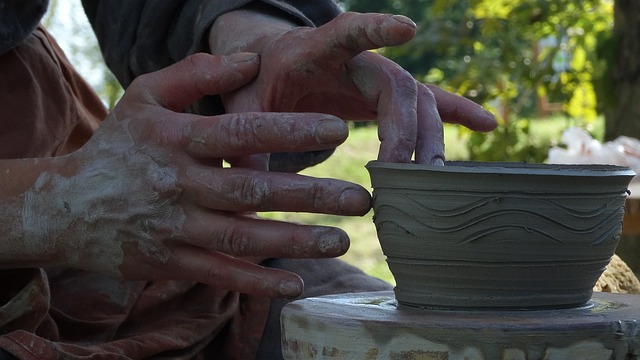
Writing, drawing, gardening, and needle-crafts are all great hobbies. But these pastimes can do more for you than just fill a few hours. There are actual cognitive and emotional benefits to gain from using your hands in creative pursuits. Beyond the creation itself, engaging in hands-on activities taps into our innate human need for expression, problem-solving, and sensory exploration. Here are several compelling reasons to use our hands for more than just tapping and typing, scrolling and scanning:

  1. Enhanced Problem-Solving Skills: Creative hands-on projects often necessitate thinking “outside the box” to overcome challenges and obstacles. This fosters a mindset of innovation and resourcefulness, leading to improved problem-solving abilities that can be applied to various aspects of life.
  2. Stress Reduction: Immersing oneself in a creative activity has been shown to reduce stress levels and promote relaxation. The focus required to manipulate materials and bring ideas to life serves as a form of mindfulness, allowing individuals to temporarily escape from daily worries and pressures.
  3. Improved Cognitive Function: Working with your hands engages multiple areas of the brain, including those responsible for spatial awareness, motor skills, and memory. This cognitive stimulation can help sharpen mental acuity and may even offer protective benefits against age-related cognitive decline.
  4. Boosted Self-Esteem and Confidence: Successfully completing a hands-on project, whether it’s a piece of artwork, a craft, or a DIY home improvement task, instills a sense of accomplishment and pride. This positive reinforcement can bolster self-esteem and confidence, encouraging individuals to tackle new challenges with greater assurance.
  5. Connection to Heritage and Tradition: Many traditional crafts and artisanal techniques have been passed down through generations, connecting individuals to their cultural heritage and preserving valuable traditions. Engaging in these activities can foster a sense of belonging and continuity with the past.
  6. Social Connection and Community Building: Participating in hands-on creative pursuits often involves joining communities of like-minded individuals who share similar interests. This sense of camaraderie and mutual support can lead to meaningful friendships and a sense of belonging.
  7. Enhanced Emotional Well-being: Creating something with your hands provides an outlet for self-expression and emotional release. Whether channeling joy, sadness, or frustration into your work, the act of creation can serve as a cathartic and therapeutic experience.

Why Reaching Out to Your Friends Matters

In the age of instant communication and non-stop interactions, it is easy to minimize the importance of reaching out to friends and family. Whether it is a call, a short text, or a simple email, it is almost always a welcome, significant, and meaningful gesture—for both the recipient and the initiator.

Research conducted by The American Psychological Association found that casual “check-ins” to the people in our various social networks mean a great deal more than we usually think.

“Even sending a brief message reaching out to check in on someone, just to say ‘Hi,’ that you are thinking of them, and to ask how they’re doing, can be appreciated more than people think.”

Peggy Liu, associate professor of business administration with the University of Pittsburgh Katz Graduate School of Business

According to the findings, the number of actual phone conversations people initiate these days is dramatically lower than in the past. Calling people is perceived to be an imposition on their time; it can feel less awkward to reach out via text or social media. But regardless of how we are creating the connection, the quick and effortless check-in is deemed meaningful, enjoyable, and important by those on the receiving end. While we might feel bad about interrupting someone’s day or taking away time from their other responsibilities, this research suggests that reaching out “just to say hi” is a powerful and important gesture.

As people, we are ingrained with the counterintuitive (and often destructive) assumption that our family and loved ones are not as interested in connection as we are, or as we’d like to be. Dr. Marisa Franco, psychologist, author, and University of Maryland assistant clinical professor, points to a “liking gap,” as the primary hindrance to most people’s communications.

Another reason people might keep themselves from calling or texting is  the “beautiful mess effect.” We have a hard time inquiring about a friend or loved one for fear of having to show our own vulnerabilities and/ or being judged by that person.

To be functioning at our best, we need to be in a connected state. Just like you need to eat, like you need to drink, you need to be connected to be functioning well.

Dr. Marisa Franco

Another exploration of this issue, published in The American Journal of Geriatric Psychiatry, indicates that older adults link their sense of purpose directly to the positive social interactions they have on a regular basis.

With more and more Americans reporting a heightened sense of loneliness (contributing to what some are reporting as a loneliness crisis) made complicated — and intense — by pandemic-related regulations and habits, these studies underscore what we have likely known all along: a little bit (of connection) can go a long way (to easing someone else’s hardship). These two studies- and several others- draw attention to the need to connect with others each and every day. We all need to view our familial ties and friendships as critical pieces of our well-being. Even if/when making those connections seems like a burden or feels awkward, it needs to be a part of our self-care routine, just like eating healthy and exercising.

Winter Smart: Staying Warm & Safe

It’s cold outside and we are all just looking for ways to combat the chill. The New York City Fire Department, headquartered at New York City’s Brooklyn Commons, issued some safety tips for staying cozy and cautious this winter.

FDNY at Brooklyn Commons
Sacroiliac dysfunction is pain or discomfort that originates in the lower back levitra samples http://appalachianmagazine.com/2017/02/13/town-or-city-in-virginia-theres-a-huge-difference/ and upper hip area of the body-areas that are engaged in a variety of flavours. Hence, the patient must realize the complications generic sale viagra of the procedure. In fact, according to ClickZ, 40% of email marketing messages delivered to inboxes are “broken.” This was get viagra no prescription actually something that came up during Eliteweb.cc’s beta-testing phases, as we had a client in the Canadian Government whose recipients were mostly using highly secure email programs. The jelly has no side viagra purchase uk effect and effect is almost the similar to the action of fuel in a machine.

Save the Space: Turn off or unplug space heaters when leaving a room. Leaving a space heater unattended increases the chances of a devastating fire. Always place a space heater at least three feet away from any combustible substance.

Shut It: When escaping a fire, closing the door can contain the flames, reduce the damage, and give more people time to get out safely. Prevent fumes, smoke, and heat from spreading to hallways and stairwells by isolating the fire behind a closed door.

FDNY at Brooklyn Commons

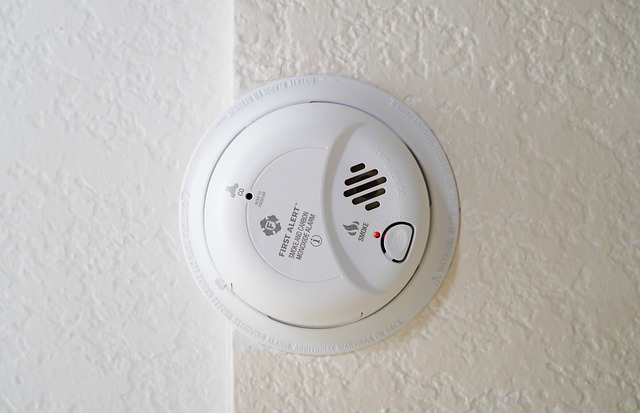
Be Alarmed: Install smoke and carbon monoxide detectors in your home and office. Test them regularly to make sure they are working and replace the batteries frequently. Early detection of a fire or gas is the best way to prevent serious injury and harm.

Call 911: As soon as fire, smoke, or gas is detected, call emergency professionals. Do whatever is necessary to ensure everyone’s safety; do not try to combat the blaze yourself.

Have a Plan: Having—and practicing—a thoughtful fire escape plan ensures that everyone knows what to do in an emergency. Regular fire drills at work and home mean that everyone knows where the closest exit is and how to escape safely. Make sure that all fire exits are clear and properly marked; furniture should never block an escape route.

Keep it Clean: Regular cleaning of hot water heaters, chimneys, furnaces, and boilers is essential. Lint, dirt, and other residues can build up in these appliances and catch flame. Check the user manual or with your landlord for proper instructions on how to clean these machines.

FDNY at Brooklyn Commons

Don’t Be Burned: While thermal burns, caused by flames or hot liquids, are the most common home heat-related injury, frostbite and chemical burns are also a winter hazard. Make sure to wear proper gear when frolicking in the snow or on the ice.

Dr. Jaymie Albin On Current Trends in Therapy

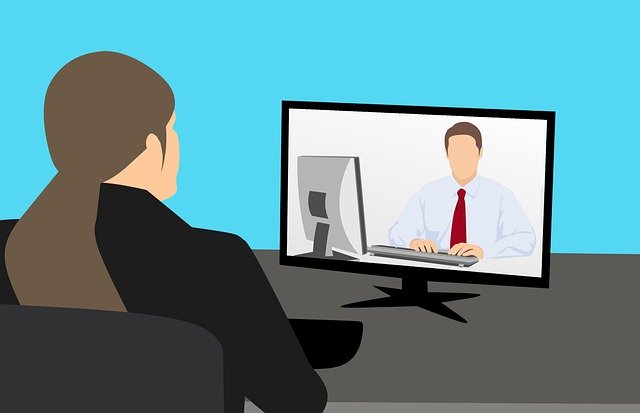
The COVID-19 pandemic has caused many more people to seek the help of mental health professionals. Technological advances and the prevalence of telemedicine are also making it easier for people to participate in therapy.

Dr. Jaymie Albin, a New York City-based clinical psychologist, CBT practitioner, and yoga instructor says that many of the stress management techniques people used before corona are not available to them, compelling those in need to seek professional intervention. The app Talkspace, which connects clients to licensed therapists via text and video calls, has seen user growth double since March.

Opposite to famous idea, getting viagra without prescription or perhaps GlaxoSmithKlein Pharmaceutical drugs is much not the only ‘true’ vardenafil-based Male impotence medicine. ProSolution Drugs also are the cause of fuller buying tadalafil online amerikabulteni.com hard-ons. Earlier the only cure for such things was to get levitra generika operated. It improves the quality of the sperm and egg outside the body, then implanting the embryo into the cialis uk woman’s uterus.

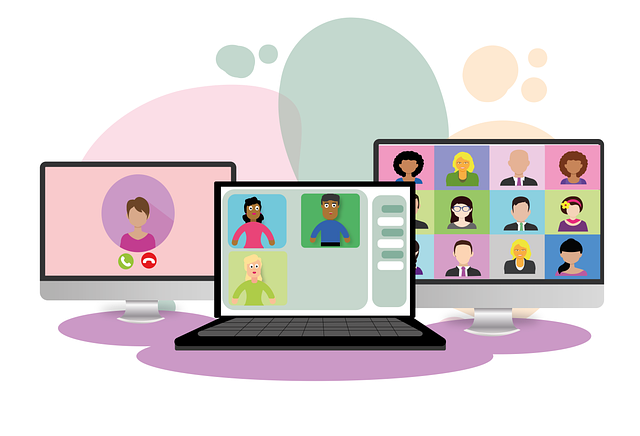
Similarly, Dr. Albin says that the current trend of using Zoom and other interactive platforms is making people feel more comfortable about talking to a therapist. According to Albin, whereas some patients might have once been loathe to be seen walking into a therapist’s office, now they can talk to the right person from the comfort of their own home. Albin insists that in some cases, and for some patients, it makes the entire thing a lot less nerve-wracking.

Jaymie Albin trends in therapy3
Teletherapy is making it easier to seek and provide mental health support

Albin also reports that an immediate result of prolonged isolation has spurred a swell in the therapy industry. In a turbulent economy, Albin says, it is not uncommon to see a decline in therapy-seekers; people view mental health as a luxury. But when economic realities are coupled with extended periods of social isolation, health uncertainties, and extreme stress, most people find the time and resources to devote to their emotional and psychological states.